
Introduction
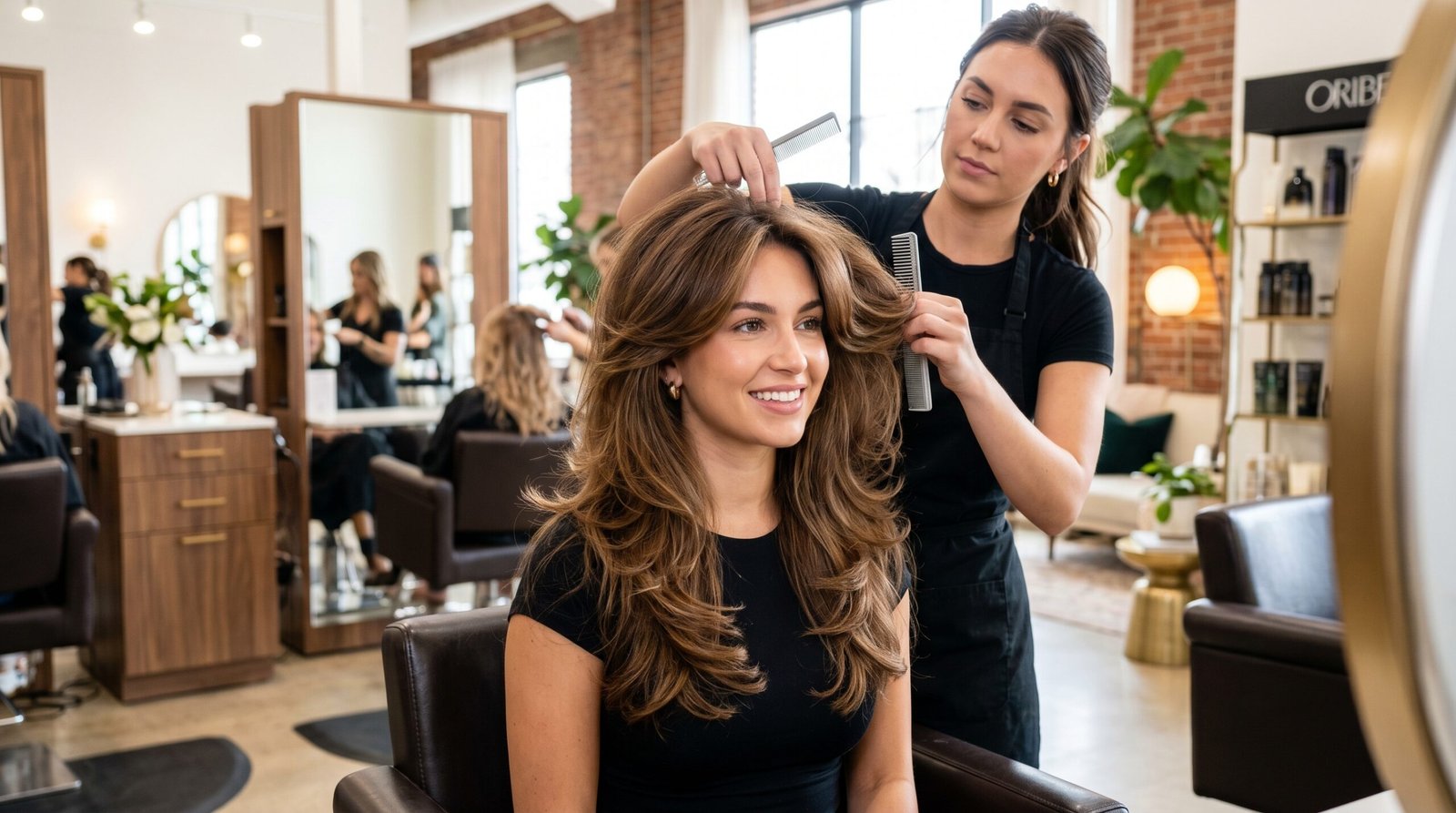
The butterfly haircut has become one of the most discussed hairstyle trends in recent years. People searching for a haircut that creates movement, shape, and flexibility often choose this style because it offers a balance between shorter and longer layers. The haircut gained attention through social media platforms, celebrity appearances, and salon transformations shared online.
Many people like the butterfly haircut because it provides a fresh appearance without requiring a major reduction in overall hair length. The style combines shorter layers around the face with longer layers throughout the rest of the hair. This creates a shape that resembles butterfly wings when the layers fall naturally around the head and shoulders.
As hairstyles continue to evolve, the butterfly haircut remains a popular choice among people with medium and long hair. Understanding what makes this haircut unique can help anyone decide whether it is the right option for their hair type and styling goals.
Understanding The Butterfly Haircut
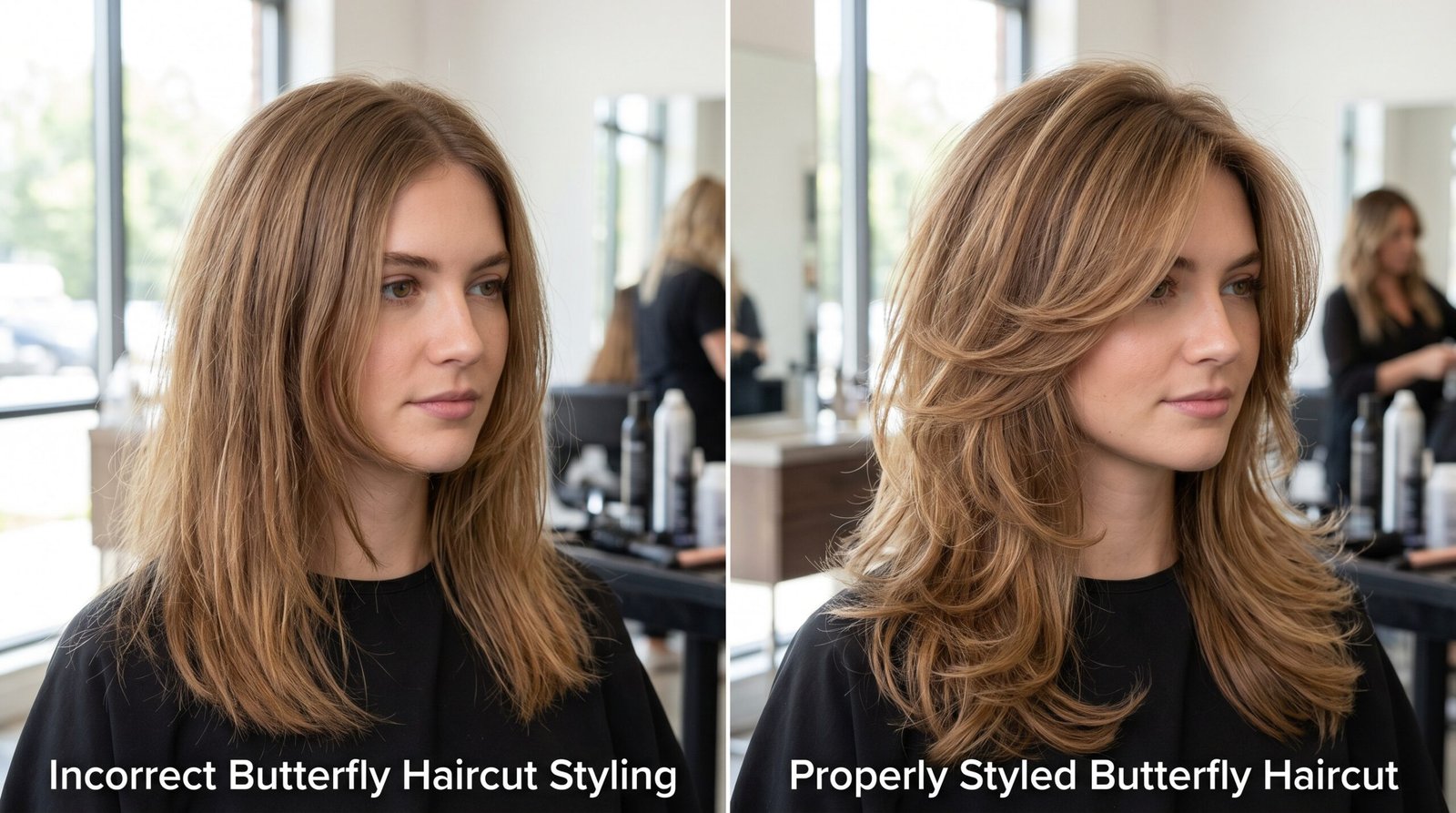
The butterfly haircut is a layered hairstyle that features shorter layers near the crown and face while preserving the longer sections underneath. The contrast between the shorter and longer layers creates volume and movement.
Unlike traditional layered haircuts that may distribute layers evenly throughout the hair, the butterfly haircut focuses on creating two distinct sections:
- Short layers that frame the face
- Long layers that maintain overall length
When styled, the shorter layers can appear similar to a shorter haircut, while the longer layers remain visible underneath. This creates versatility and allows individuals to experiment with different looks.
The haircut often includes:
- Face-framing layers
- Crown layers
- Long flowing lengths
- Soft transitions between sections
The result is a hairstyle that can be worn in various ways while maintaining structure and shape.
Origin Of The Butterfly Haircut
Although the butterfly haircut gained widespread popularity recently, its inspiration comes from layered hairstyles that were common in previous decades.
Haircuts featuring volume and face-framing layers appeared throughout the 1970s and 1990s. Modern hairstylists adapted these techniques to create a contemporary version that suits current fashion preferences.
Social media played a significant role in bringing the butterfly haircut into mainstream attention. Hairstylists began posting transformation videos showing dramatic changes without sacrificing hair length. These videos attracted millions of views and inspired many people to request the style at salons.
The haircut quickly became a trend because it delivered noticeable results while maintaining long hair.
Why The Butterfly Haircut Is Popular
Creates Volume
One of the main reasons for its popularity is the volume it creates. The shorter layers lift the hair around the crown and face, making the hairstyle appear fuller.
People with flat or heavy hair often choose this haircut to create more movement without relying on extensive styling products.
Maintains Length
Many individuals hesitate to cut their hair because they want to preserve length. The butterfly haircut solves this concern by keeping the lower sections long while introducing shorter layers.
This allows people to enjoy a new look without committing to a short hairstyle.
Offers Styling Flexibility
The haircut supports multiple styling methods, including:
- Blowouts
- Ponytails
- Loose waves
- Straight hairstyles
- Half-up styles
Different styling techniques can highlight either the shorter layers or the longer sections.
Frames The Face
The face-framing layers help define facial features and create balance around the face.
Because these layers are positioned strategically, they can complement many face shapes.
Fits Current Hair Trends
Modern hair trends emphasize movement, texture, and natural flow. The butterfly haircut aligns with these preferences, making it attractive to people looking for contemporary hairstyles.
Key Features Of A Butterfly Haircut
Several characteristics distinguish the butterfly haircut from other layered hairstyles.
Multiple Layer Lengths
The haircut includes at least two major layer lengths. This creates separation and dimension throughout the hairstyle.
Face-Framing Sections
Shorter sections around the face provide shape and structure.
Crown Volume
The crown area typically contains shorter layers designed to create lift.
Length Preservation
Unlike many layered cuts, the butterfly haircut intentionally maintains substantial length at the bottom.
Natural Movement
The haircut is designed to move freely and respond well to styling.
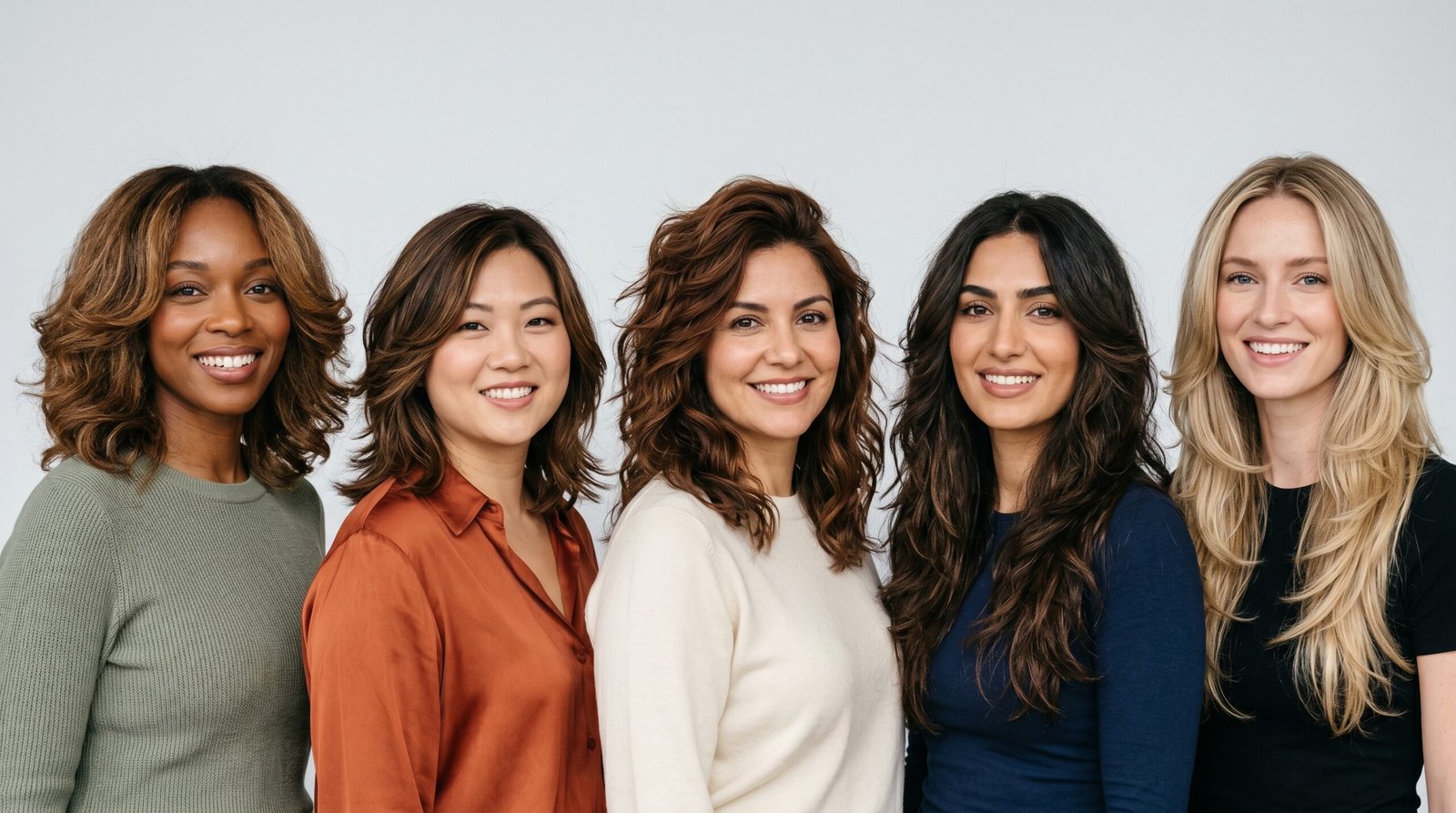
Hair Types Suitable For A Butterfly Haircut
Straight Hair
Straight hair can showcase the layered structure clearly. The contrast between short and long sections becomes more visible.
Wavy Hair
Wavy hair often works well with butterfly layers because the waves emphasize movement and texture.
Curly Hair
Curly hair can also benefit from butterfly layering when performed correctly. Layers help distribute volume and reduce bulk.
Thick Hair
Thick hair is often considered an excellent candidate because layers remove weight while maintaining fullness.
Medium Density Hair
Medium-density hair can gain movement and dimension from the layered structure.
Benefits Of Choosing A Butterfly Haircut
Reduces Bulk
Heavy hair can feel difficult to manage. Layering removes excess weight while preserving length.
Encourages Movement
The layered design allows the hair to move naturally.
Creates Dimension
Different layer lengths add depth and shape.
Supports Multiple Styles
People can wear their hair up, down, straight, or wavy while maintaining the haircut’s structure.
Provides A Fresh Appearance
The haircut offers visible change without drastic length reduction.
How A Butterfly Haircut Is Created
Professional hairstylists follow several steps when creating a butterfly haircut.
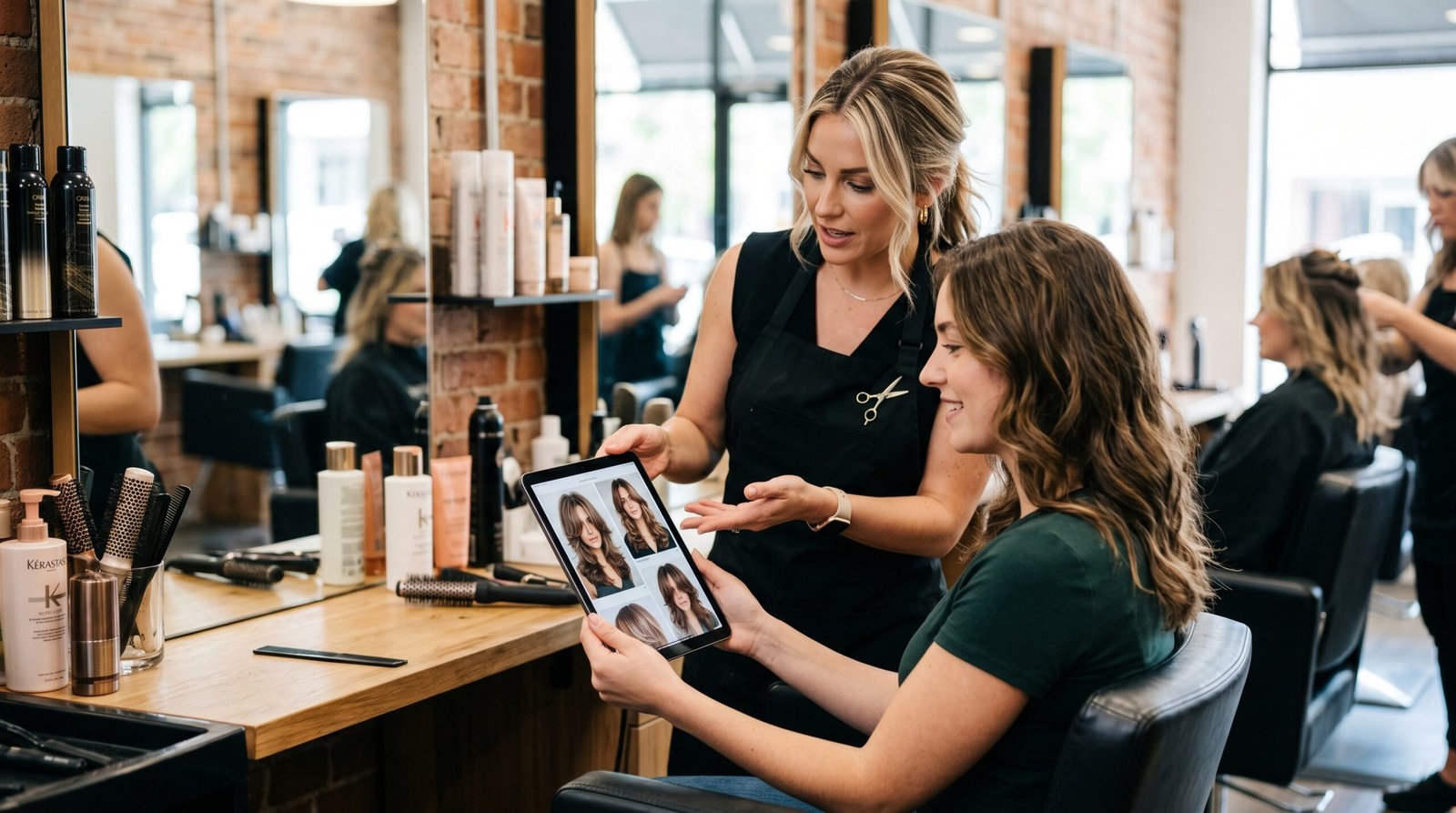
Consultation
The stylist discusses:
- Hair type
- Face shape
- Styling habits
- Desired length
Sectioning
Hair is divided into sections to ensure balanced layering.
Face-Framing Layers
Shorter layers are cut around the face.
Crown Layering
Additional layers are created near the crown.
Length Refinement
The stylist blends the shorter layers into the longer sections.
Final Styling
The haircut is styled to reveal its shape and movement.
Styling A Butterfly Haircut
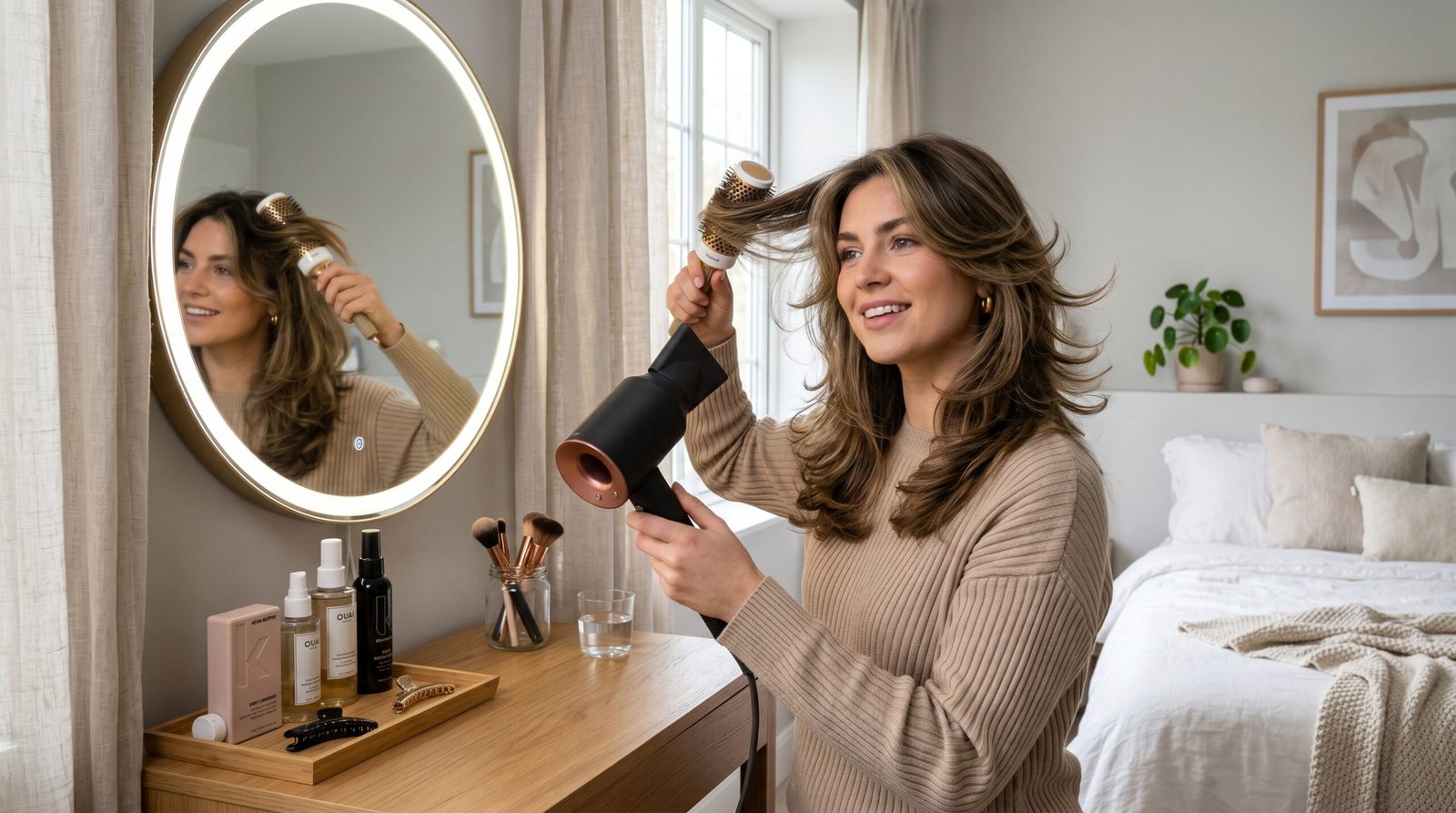
Blowout
A blowout emphasizes volume and showcases the layer structure.
Curling Iron
Loose curls highlight the separation between layer lengths.
Straight Styling
Straight hair reveals the precision of the haircut.
Ponytail
The shorter layers create movement around the face even when the hair is tied back.
Half-Up Style
A half-up hairstyle showcases both layer sections.
Daily Maintenance
Maintaining a butterfly haircut is relatively straightforward.
Regular Trims
Trimming every few weeks helps maintain the layer structure.
Proper Washing Routine
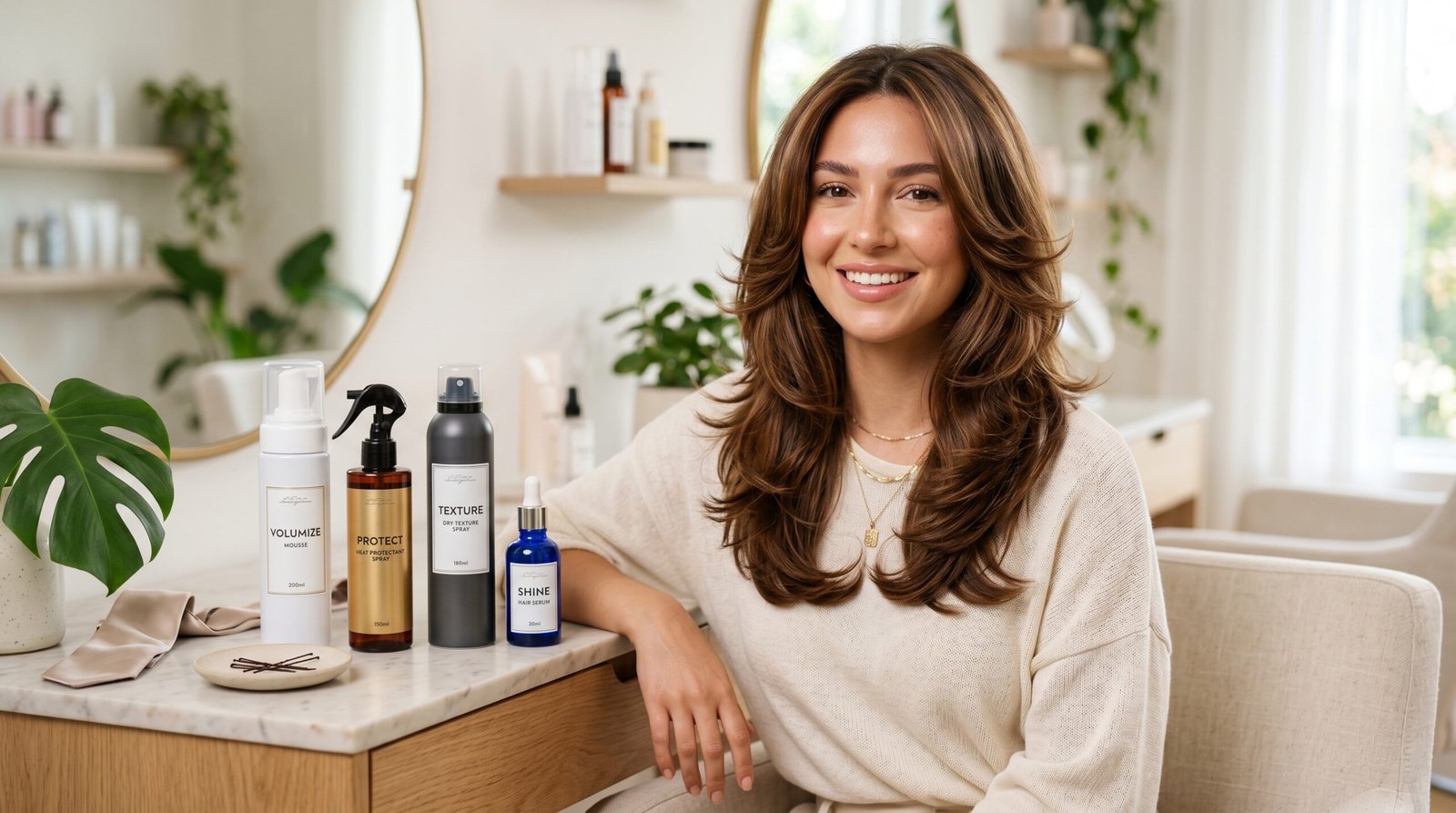
Using products appropriate for hair type supports healthy hair.
Heat Protection
Heat protection products help reduce styling damage.
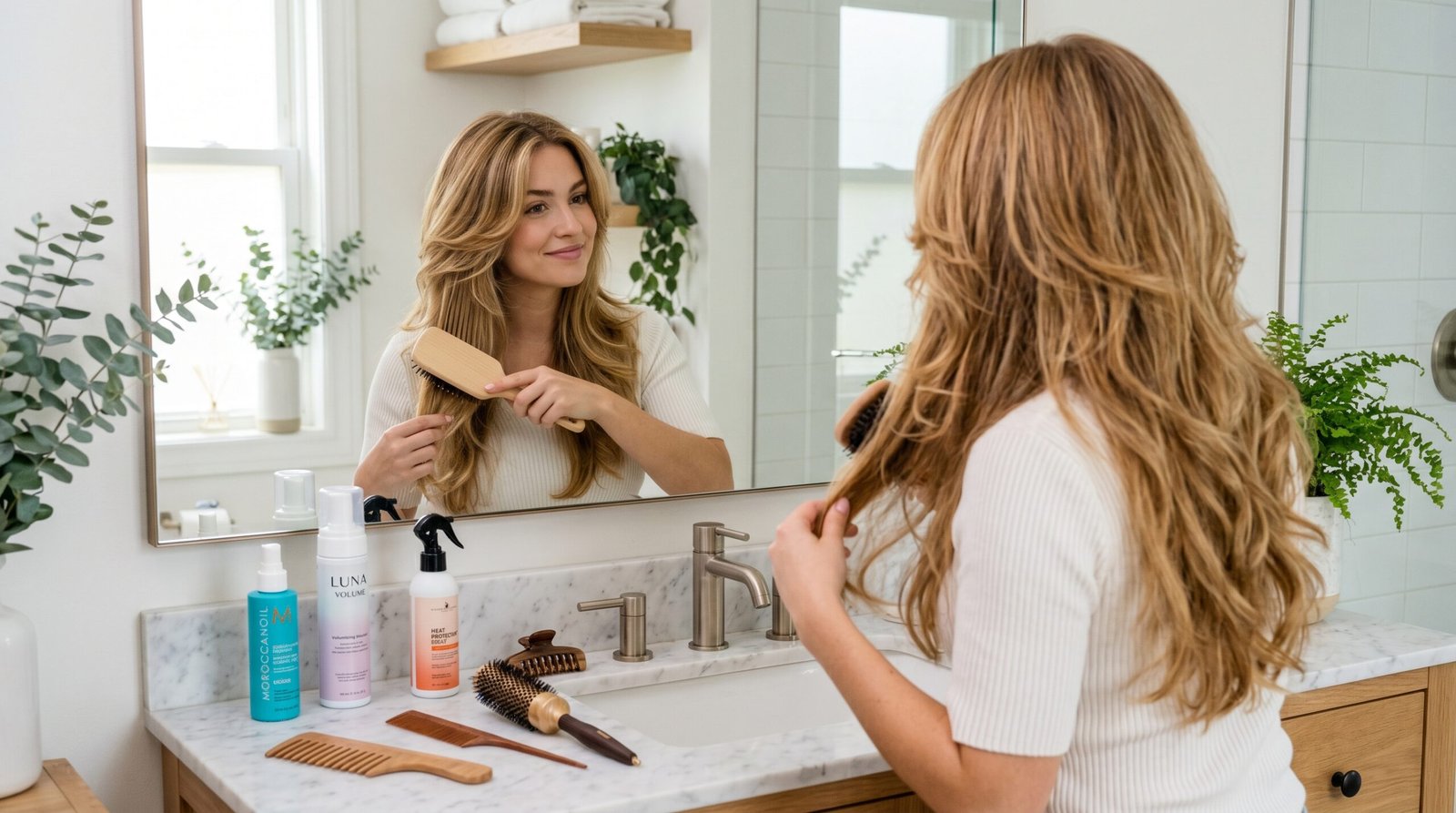
Gentle Brushing
Careful brushing helps prevent breakage.
Common Mistakes To Avoid
Excessive Layering
Too many layers can reduce balance and make the haircut difficult to style.
Ignoring Hair Density
Hair density influences how the layers should be cut.
Skipping Maintenance
Without trims, the shape can lose definition.
Using Too Much Product
Heavy products may reduce movement and volume.
Butterfly Haircut And Social Media Influence
Social media platforms contributed significantly to the popularity of the butterfly haircut.
Hair transformation videos often demonstrate:
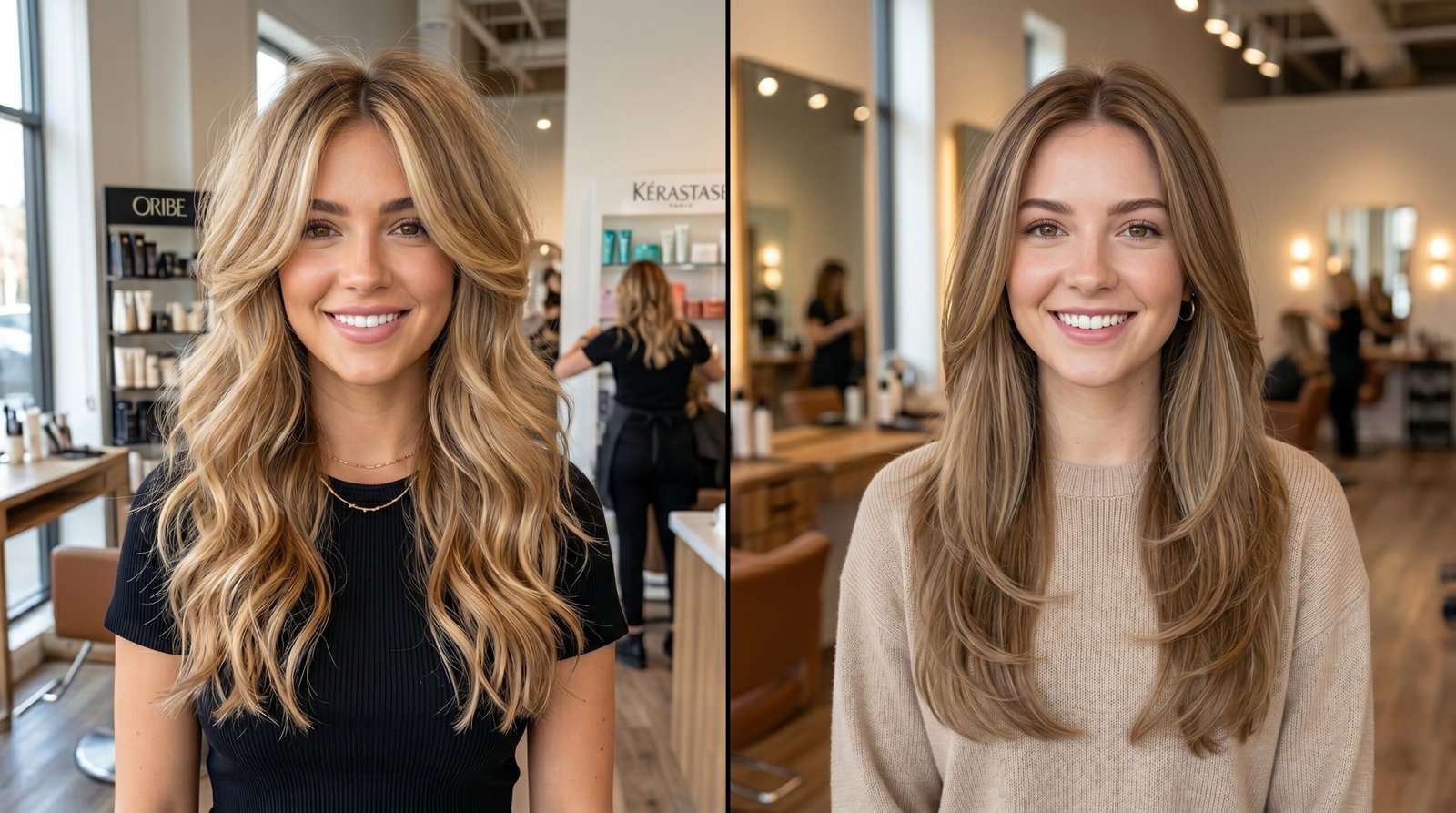
- Before-and-after comparisons
- Styling tutorials
- Salon consultations
- Maintenance tips
These videos show how layers can create visible changes while preserving length.
As a result, many people discovered the haircut and began requesting it from hairstylists.
Celebrity Influence On The Trend
Celebrities frequently influence hairstyle trends. Many public figures have worn layered hairstyles similar to the butterfly haircut.
Their appearances in media, events, and social platforms help popularize the style among broader audiences.
When celebrities adopt layered haircuts, salon requests often increase as people seek similar looks.
Who Should Consider A Butterfly Haircut
This haircut may be suitable for individuals who:
- Want more volume
- Prefer long hair
- Enjoy styling flexibility
- Like face-framing layers
- Want a noticeable change without losing length
A consultation with a hairstylist can determine whether the haircut aligns with specific hair characteristics.
Future Of The Butterfly Haircut
Hair trends continue to evolve, but the butterfly haircut remains relevant because it combines practicality with style.
Future variations may include:
- Different layer placements
- Customized face-framing sections
- Adaptations for various hair textures
- New styling techniques
Its flexibility allows hairstylists to modify the haircut according to changing trends.
Conclusion
The butterfly haircut is a layered hairstyle designed to create movement, volume, and versatility while maintaining overall hair length. Its structure combines shorter face-framing layers with longer sections underneath, producing a balanced and dynamic appearance.
The haircut gained popularity through social media, celebrity influence, and salon transformations. People appreciate its ability to deliver a fresh look without requiring a dramatic haircut. It suits many hair types and offers numerous styling possibilities.
As interest in layered hairstyles continues, the butterfly haircut remains a popular choice for individuals seeking shape, movement, and flexibility. Whether worn straight, wavy, or styled into an updo, this haircut continues to attract attention for its unique combination of volume and length preservation.

Leave a Reply