
Introduction
The butterfly haircut has become one of the most requested hairstyles in salons because it combines movement, volume, and length retention in a single look. Many people see photos and videos of this haircut online and decide they want the same style. However, achieving the desired result depends not only on the stylist’s skills but also on how clearly the haircut request is communicated.
Simply asking for a butterfly haircut may not always be enough. Different stylists may interpret the style differently depending on hair texture, density, length, and personal styling preferences. Knowing how to explain exactly what you want can help ensure the final haircut matches your expectations.
This guide explains how to prepare for your salon appointment, what details to discuss with your stylist, what reference photos to bring, and how to communicate your goals effectively when requesting a butterfly haircut.
Understanding The Butterfly Haircut Before Your Appointment
Before visiting the salon, it is important to understand what a butterfly haircut actually involves.
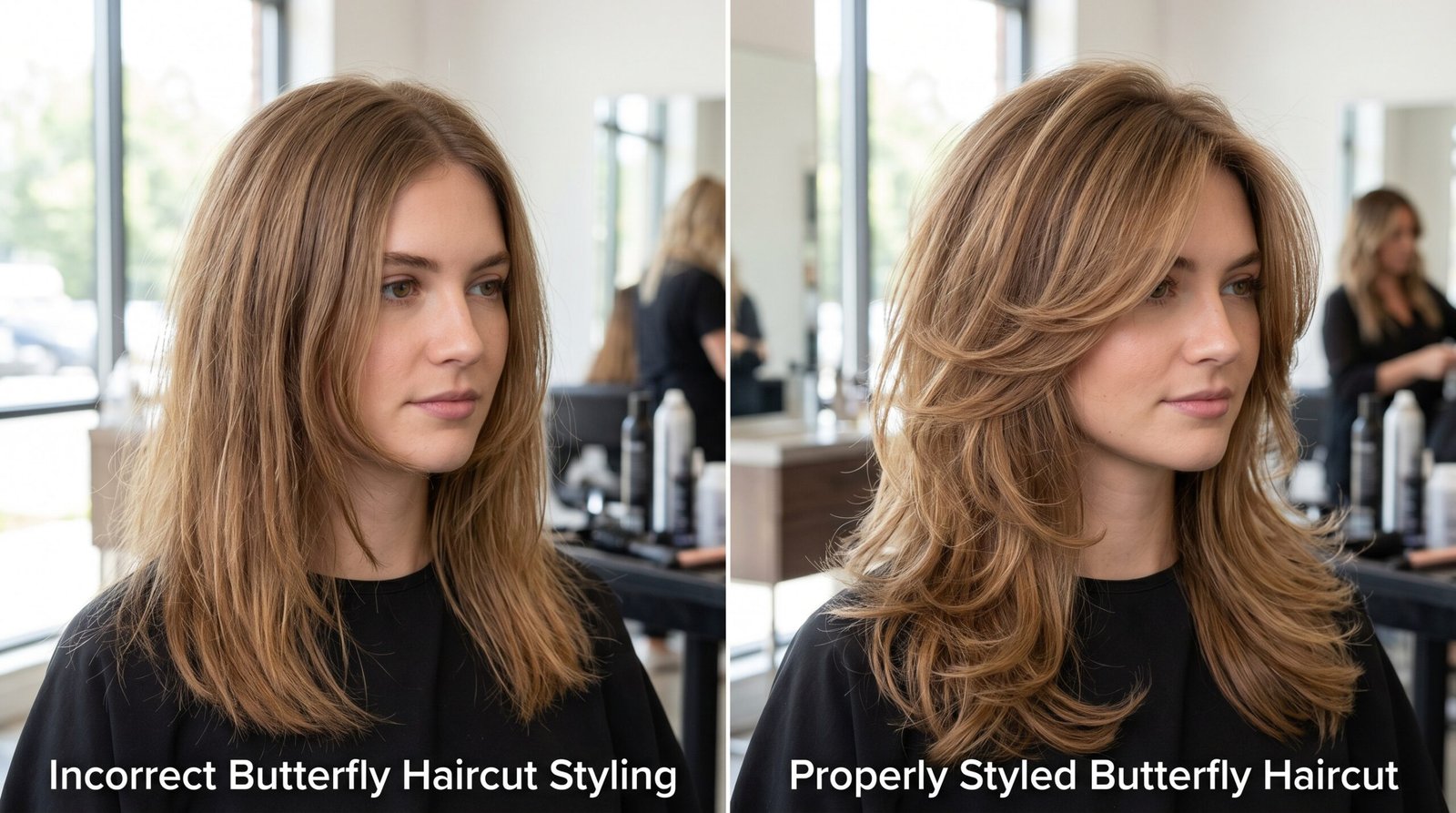
The butterfly haircut typically includes:
- Shorter face-framing layers
- Layers around the crown
- Longer layers underneath
- Length preservation
- Increased movement
- Added volume
The haircut creates the appearance of having both shorter and longer hair at the same time.
Understanding these basic characteristics allows you to explain your expectations more clearly during your consultation.
Why Communication Matters
One of the most common reasons people leave a salon disappointed is poor communication.
A stylist cannot read your mind. They rely on the information you provide regarding:
- Desired length
- Layer placement
- Styling habits
- Daily routine
- Maintenance preferences
The more specific you are, the easier it becomes for the stylist to create a haircut that suits your goals.
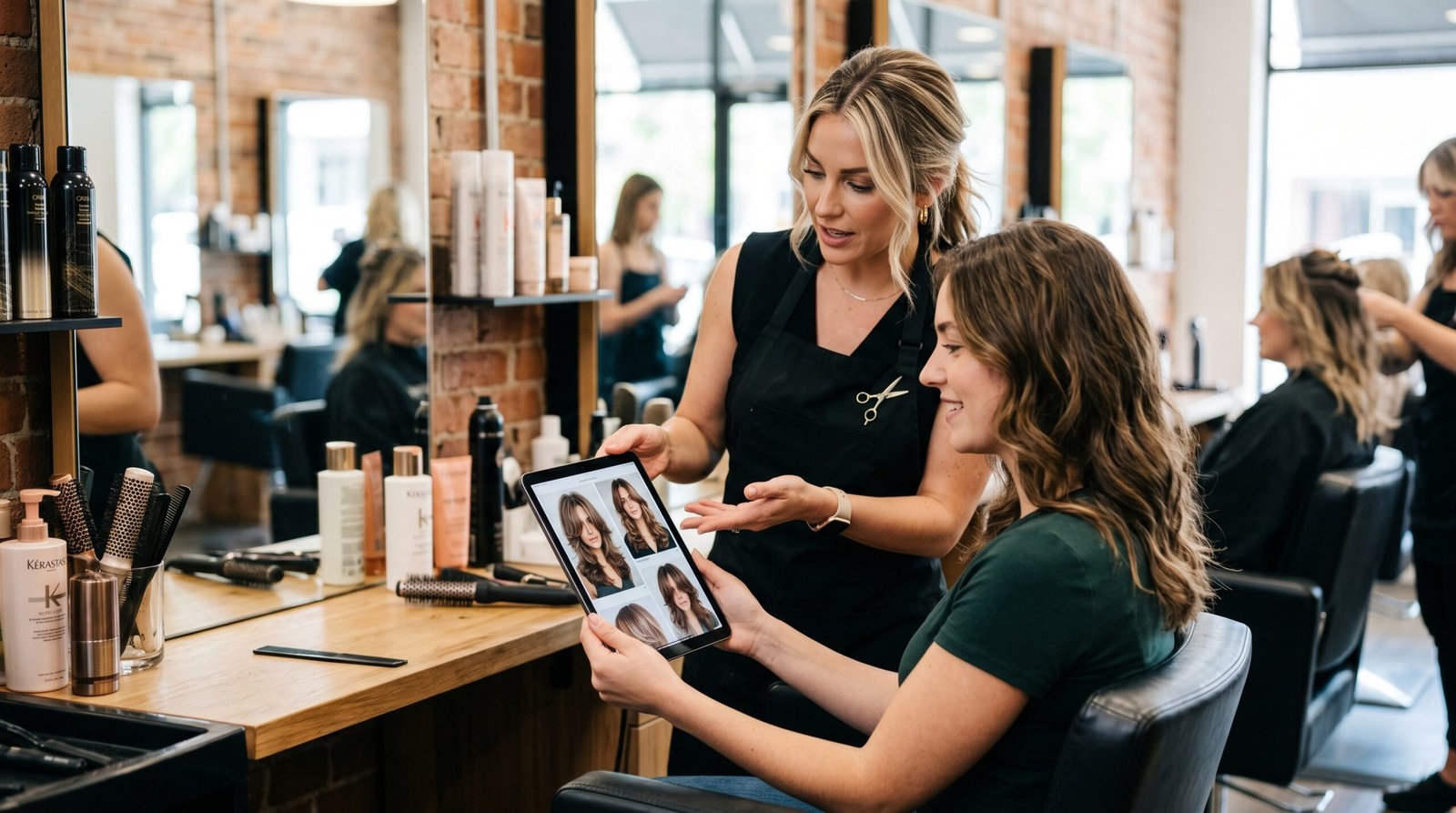
Bring Reference Photos
Reference photos are among the most useful tools during a salon consultation.
Photos help eliminate misunderstandings because they provide a visual example of the result you want.
When selecting reference photos, look for examples that match:
- Your hair texture
- Your hair density
- Your hair length
- Your face shape
Using realistic examples makes it easier for the stylist to determine whether the haircut can be recreated on your hair.
Explain That You Want To Keep Length
One of the defining features of a butterfly haircut is length retention.
Many people choose this haircut because they want a noticeable change without sacrificing long hair.
You can tell your stylist:
“I want a butterfly haircut, but I would like to keep as much length as possible.”
This statement immediately communicates one of the most important goals of the haircut.
Request Face-Framing Layers
Face-framing layers play a major role in creating the butterfly haircut shape.
You can explain:
“I would like shorter layers around my face that blend into longer layers.”
These sections help create movement and define the overall structure of the haircut.
Your stylist may suggest adjustments based on your face shape and hair texture.
Discuss Crown Volume
The crown area is another important feature of a butterfly haircut.
The shorter layers near the top of the head create lift and movement.
You can tell your stylist:
“I want layers near the crown to create more volume.”
This helps the stylist understand that you are seeking the signature butterfly effect rather than standard layers.
Explain How Much Layering You Want
Not every butterfly haircut looks the same.
Some people prefer dramatic layering while others want a softer version.
You can communicate your preference by saying:
“I want noticeable layers.”
Or:
“I want softer layers with less contrast.”
Discussing this detail helps the stylist customize the haircut according to your comfort level.
Describe Your Daily Styling Routine
Your styling habits influence how the haircut should be designed.
Tell your stylist:
- How often you use heat tools
- Whether you blow-dry your hair
- If you prefer air-drying
- How much time you spend styling
For example:
“I usually air-dry my hair.”
Or:
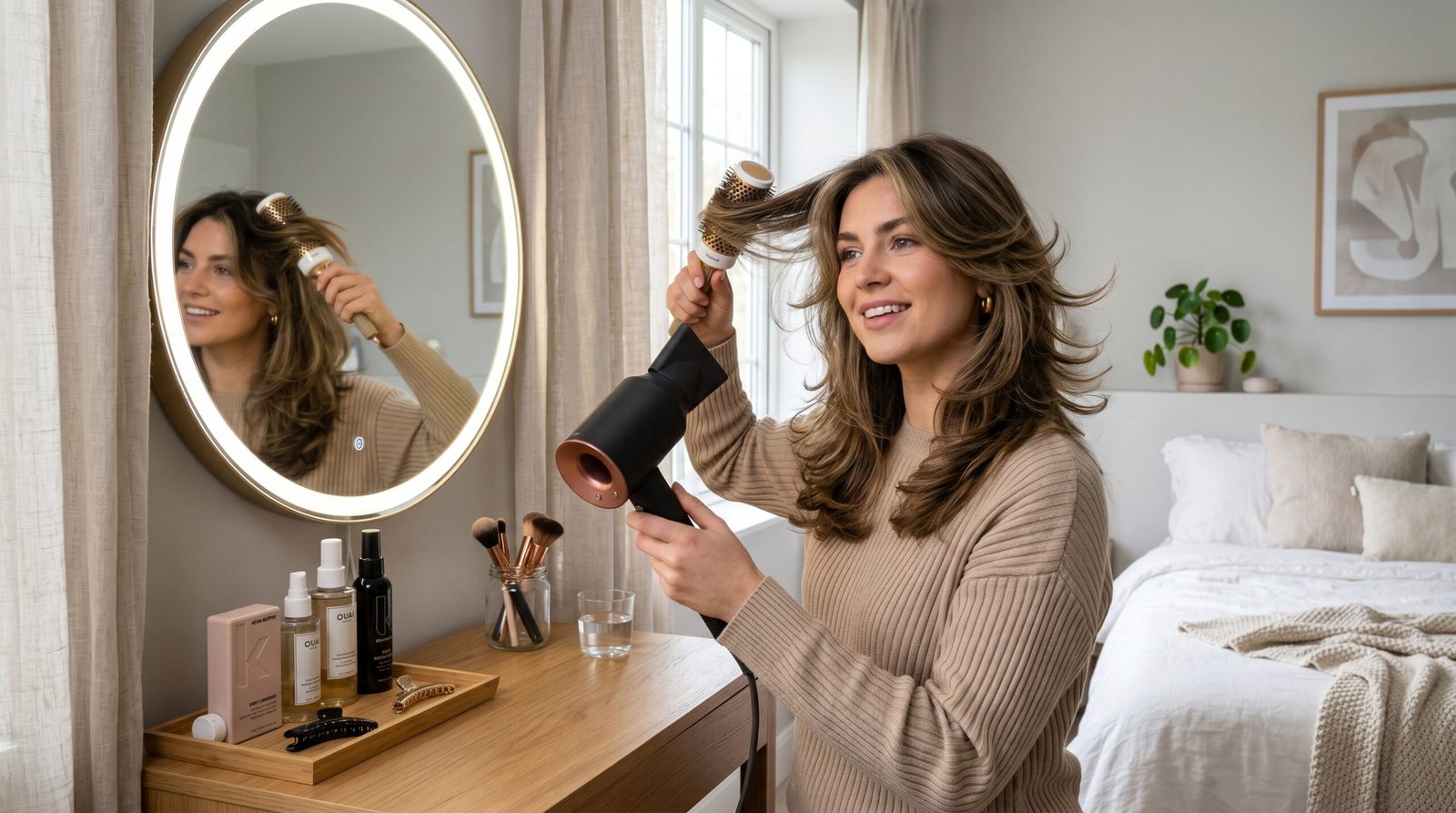
“I style my hair with a round brush every day.”
These details help the stylist determine the most suitable layer placement.
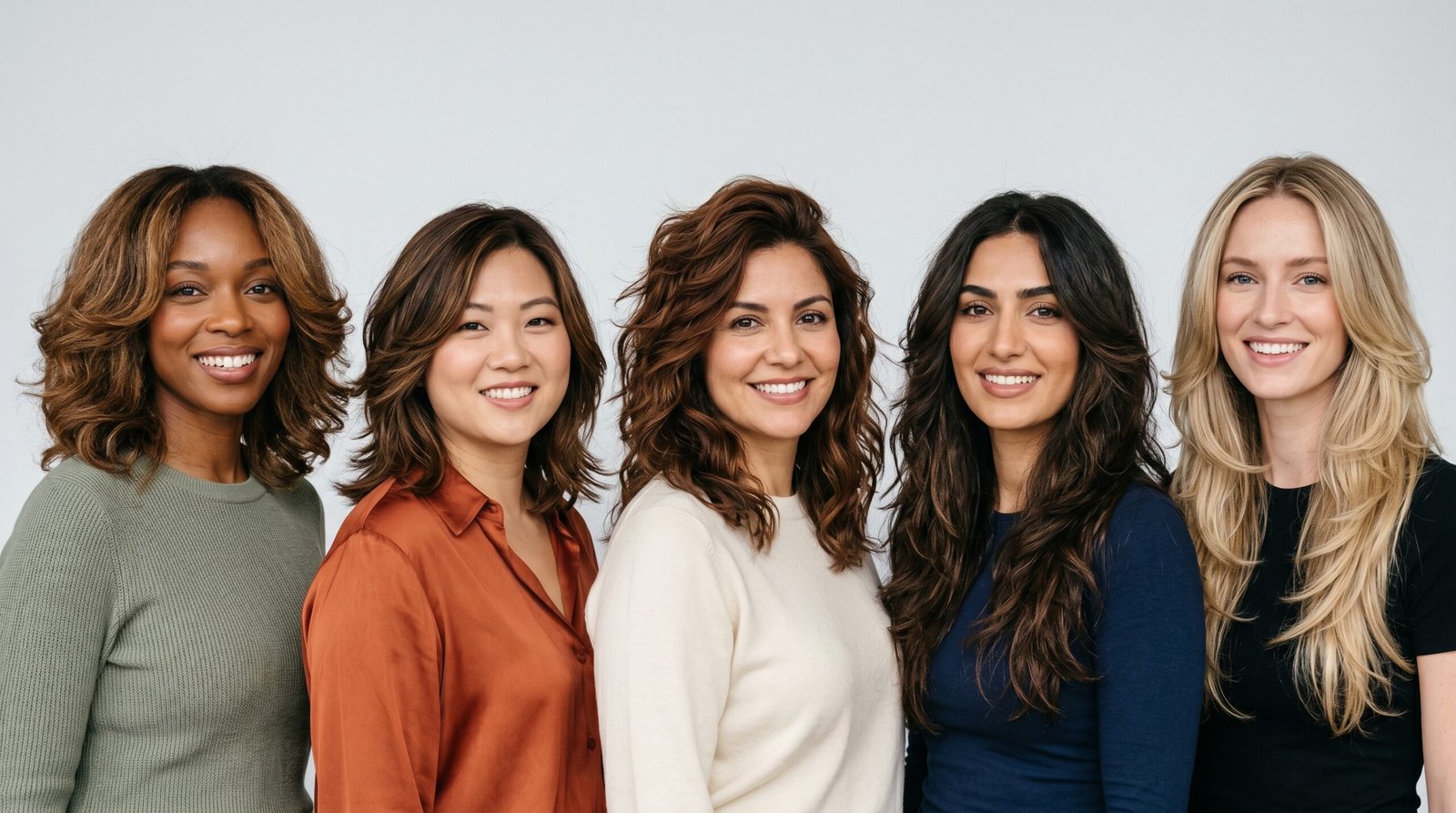
Discuss Your Hair Type
Hair type affects the final appearance of a butterfly haircut.
Factors include:
- Hair density
- Texture
- Length
- Natural movement
A stylist will often adjust the haircut based on these characteristics.
Be prepared to discuss:
- Whether your hair is straight
- Whether your hair is wavy
- Whether your hair is curly
- Whether your hair feels thick or fine
This information helps create realistic expectations.
Explain What You Do Not Want
Just as important as explaining what you want is explaining what you do not want.
Examples include:
- Excessive short layers
- Major length reduction
- Heavy thinning
- Uneven layering
You can say:
“I want layers, but I do not want my hair to feel thin.”
Or:
“I want volume, but I do not want extremely short layers.”
This prevents misunderstandings during the haircut process.
Ask For Professional Recommendations
Stylists work with different hair types every day and can often provide valuable suggestions.
You can ask:
- Will this haircut suit my hair type?
- How should the layers be adjusted?
- How much maintenance will it require?
- What styling methods work best?
A consultation allows both you and the stylist to collaborate on the final design.
Discuss Maintenance Requirements
Before committing to a butterfly haircut, understand the maintenance involved.
Ask your stylist:
- How often should I get trims?
- How quickly will the layers grow out?
- What styling techniques should I use?
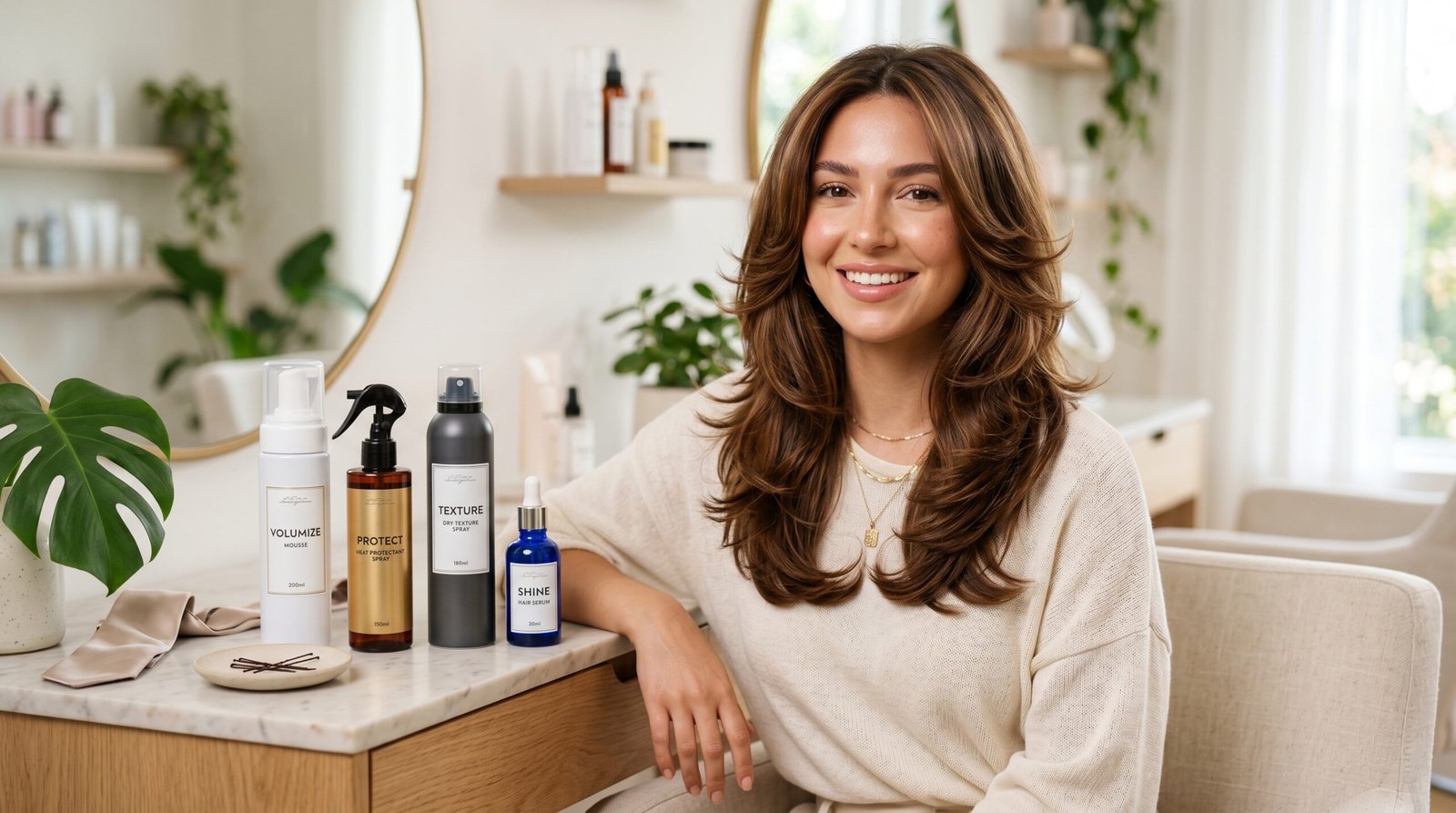
- What products are recommended?
Knowing the maintenance requirements helps you determine whether the haircut fits your routine.
Mention Your Hair Goals
Different people choose butterfly haircuts for different reasons.
Common goals include:
- More volume
- Added movement
- Face framing
- Shape improvement
- Length retention
Tell your stylist exactly what you hope to achieve.
For example:
“I want more movement around my face.”
Or:
“I want my hair to feel lighter while keeping the length.”
This gives your stylist a clear direction.
Questions To Ask During The Consultation
A consultation is the best opportunity to gather information before the haircut begins.
Useful questions include:
Will This Haircut Work With My Hair Type?
Every hair type responds differently to layers.
How Much Length Will Be Removed?
Understanding length loss prevents surprises.
How Will The Layers Grow Out?
This helps you plan future maintenance.
What Styling Techniques Will Work Best?
Learning styling methods can help maximize the haircut’s appearance.
How Often Should I Return For Trims?
Regular maintenance keeps the haircut looking structured.
Common Mistakes When Requesting A Butterfly Haircut
Using Only The Name
Simply saying “I want a butterfly haircut” may not provide enough information.
Always explain your preferences.
Not Bringing Photos
Reference images reduce confusion and improve communication.
Ignoring Hair Texture
The haircut may look different on various hair textures.
Focusing Only On Trends
Choose a haircut that suits your lifestyle and hair characteristics rather than following trends alone.
Avoiding Questions
Asking questions helps clarify expectations before the haircut begins.
How To Prepare Before The Salon Visit
Preparation can improve the consultation process.
Before your appointment:
- Save reference photos
- Identify your hair goals
- Decide how much length you want removed
- Consider your styling routine
- Prepare questions
Arriving prepared allows for a more productive discussion.
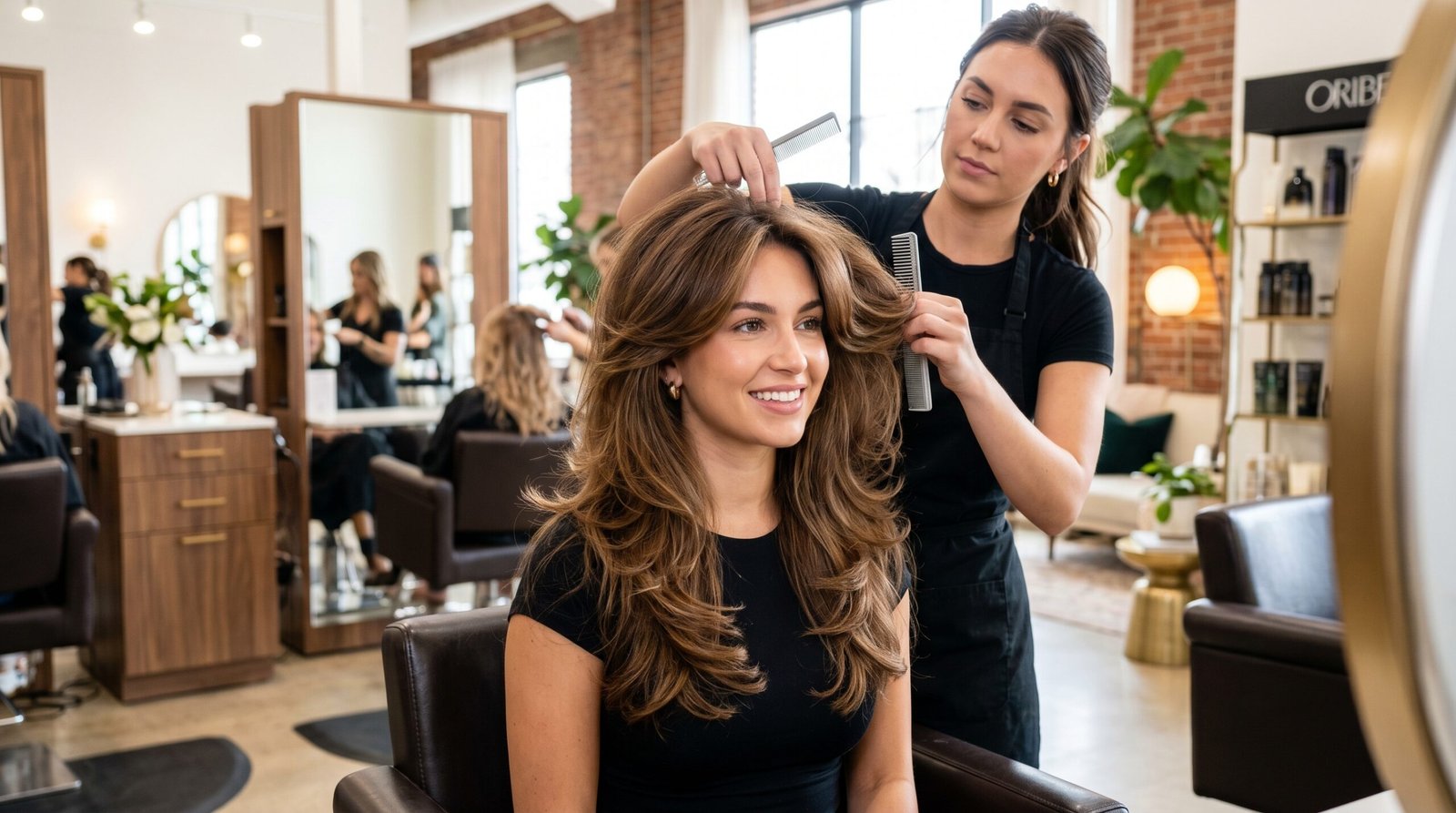
What To Expect During The Haircut
The haircut process usually includes:
Consultation
The stylist reviews your goals and reference photos.
Sectioning
Hair is divided into sections for precise cutting.
Face-Framing Layers
Shorter layers are created around the face.
Crown Layers
Additional layers are added for movement and volume.
Blending
The stylist blends shorter and longer sections together.
Styling
The finished haircut is styled to reveal its structure.
Understanding the process can help you feel more confident during the appointment.
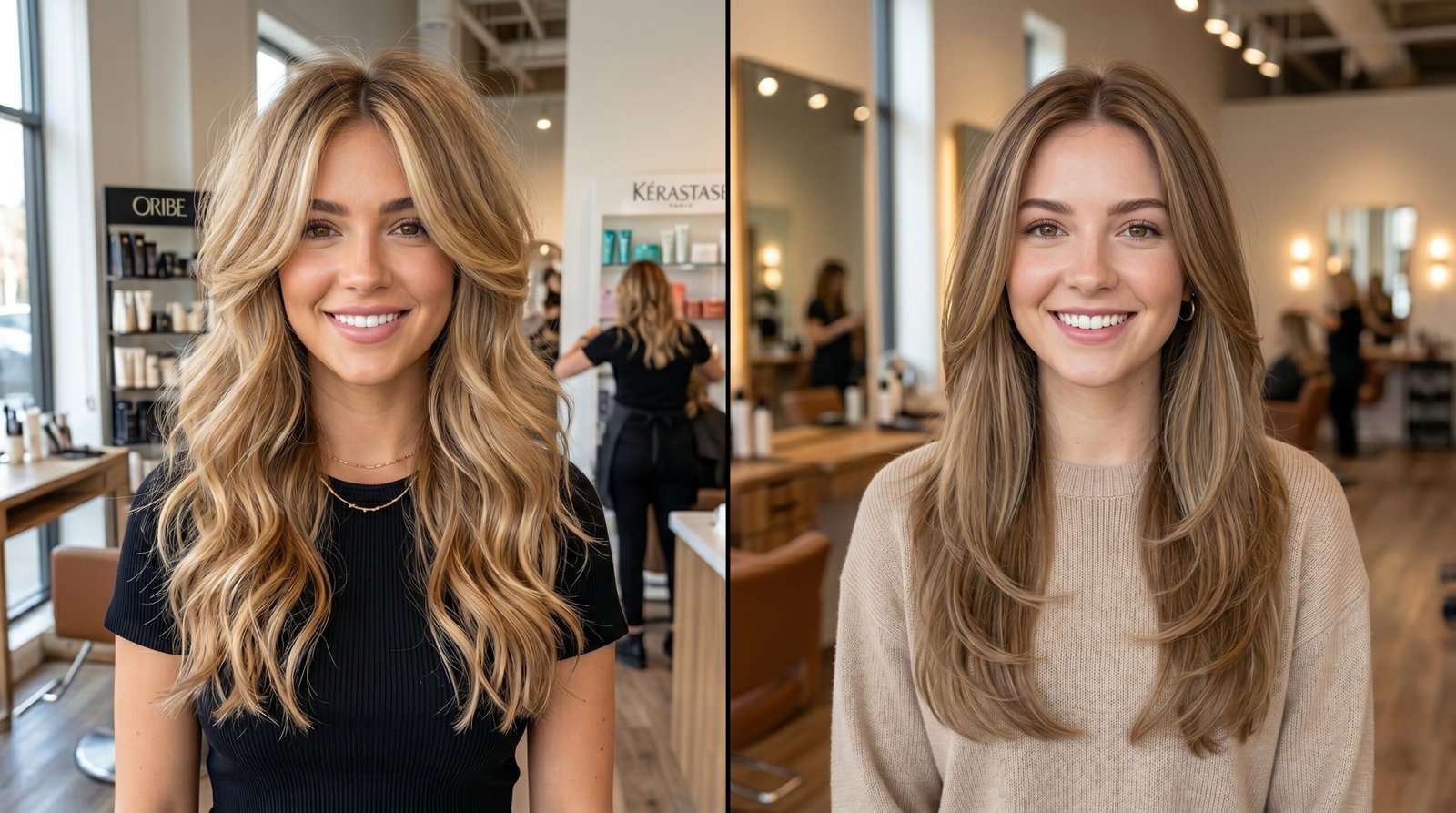
Signs Of A Successful Butterfly Haircut
A butterfly haircut is often successful when it provides:
- Visible movement
- Balanced layering
- Face-framing sections
- Length retention
- Styling flexibility
The haircut should feel lighter while still maintaining overall length.
Styling Advice After The Appointment
After receiving the haircut, ask your stylist to demonstrate styling techniques.
You may learn:
- Blow-drying methods
- Round brush techniques
- Curling methods
- Product application tips
These techniques help you recreate salon results at home.
Long-Term Care Tips
Maintaining a butterfly haircut requires ongoing care.
Helpful practices include:
- Regular trims
- Heat protection
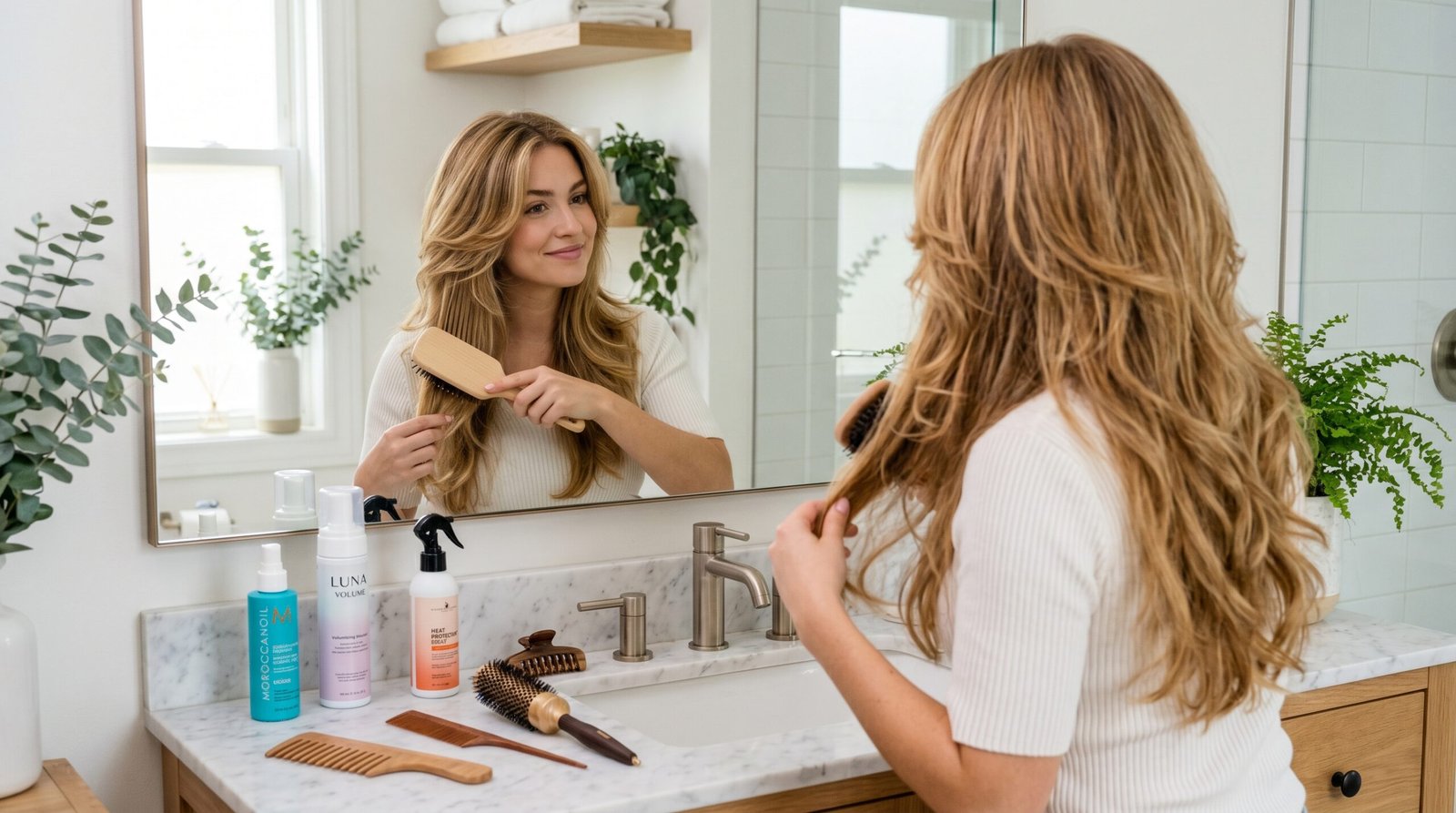
- Proper brushing
- Suitable hair products
- Consistent maintenance appointments
These habits help preserve the haircut’s shape and movement.
Conclusion
Asking your stylist for a butterfly haircut involves more than simply mentioning the haircut’s name. Effective communication, reference photos, and a clear understanding of your goals can significantly improve the outcome of your salon visit.
Discussing length retention, face-framing layers, crown volume, maintenance needs, and styling habits helps your stylist create a customized version of the butterfly haircut that suits your hair type and lifestyle. By preparing in advance and asking the right questions, you can increase the likelihood of achieving a haircut that delivers movement, shape, and versatility while maintaining the length you value.
A successful butterfly haircut begins with a detailed consultation, realistic expectations, and open communication between you and your stylist.

Leave a Reply