
Introduction
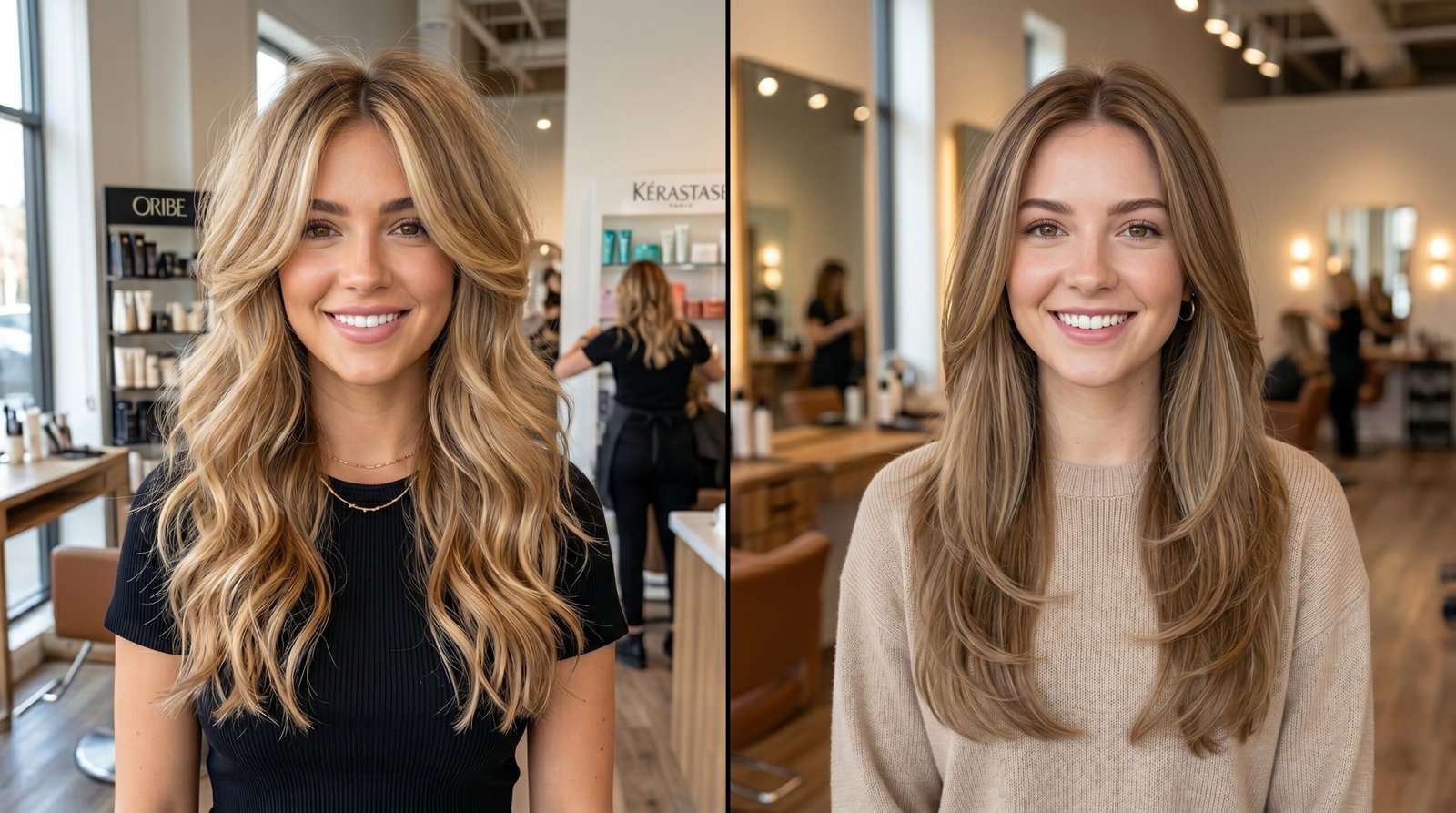
Haircuts that use layers have remained popular for many years because they help create shape, movement, and structure. Among the many layered styles available today, the butterfly haircut has gained significant attention. While many people assume that a butterfly haircut and a layered haircut are the same thing, there are important differences between the two.
A layered haircut is a broad category that includes many styles created by cutting hair at different lengths. The butterfly haircut is a specific type of layered haircut that follows a particular structure. Understanding these differences can help individuals choose the style that best matches their hair goals, maintenance preferences, and desired appearance.
This guide explains the key distinctions between a butterfly haircut and a traditional layered haircut, including their structure, styling methods, maintenance needs, and suitability for different hair types.
Understanding A Layered Haircut
A layered haircut is created by cutting sections of hair at different lengths. The purpose of layering is to add movement, remove weight, create shape, and improve the overall appearance of the hair.
Layers can be:
- Short
- Medium
- Long
- Subtle
- Dramatic
There is no single version of a layered haircut. Hairstylists can customize layers according to hair type, face shape, and styling goals.
Layered haircuts have remained popular because they work well with many hairstyles and can be adapted for various lengths.
Understanding A Butterfly Haircut
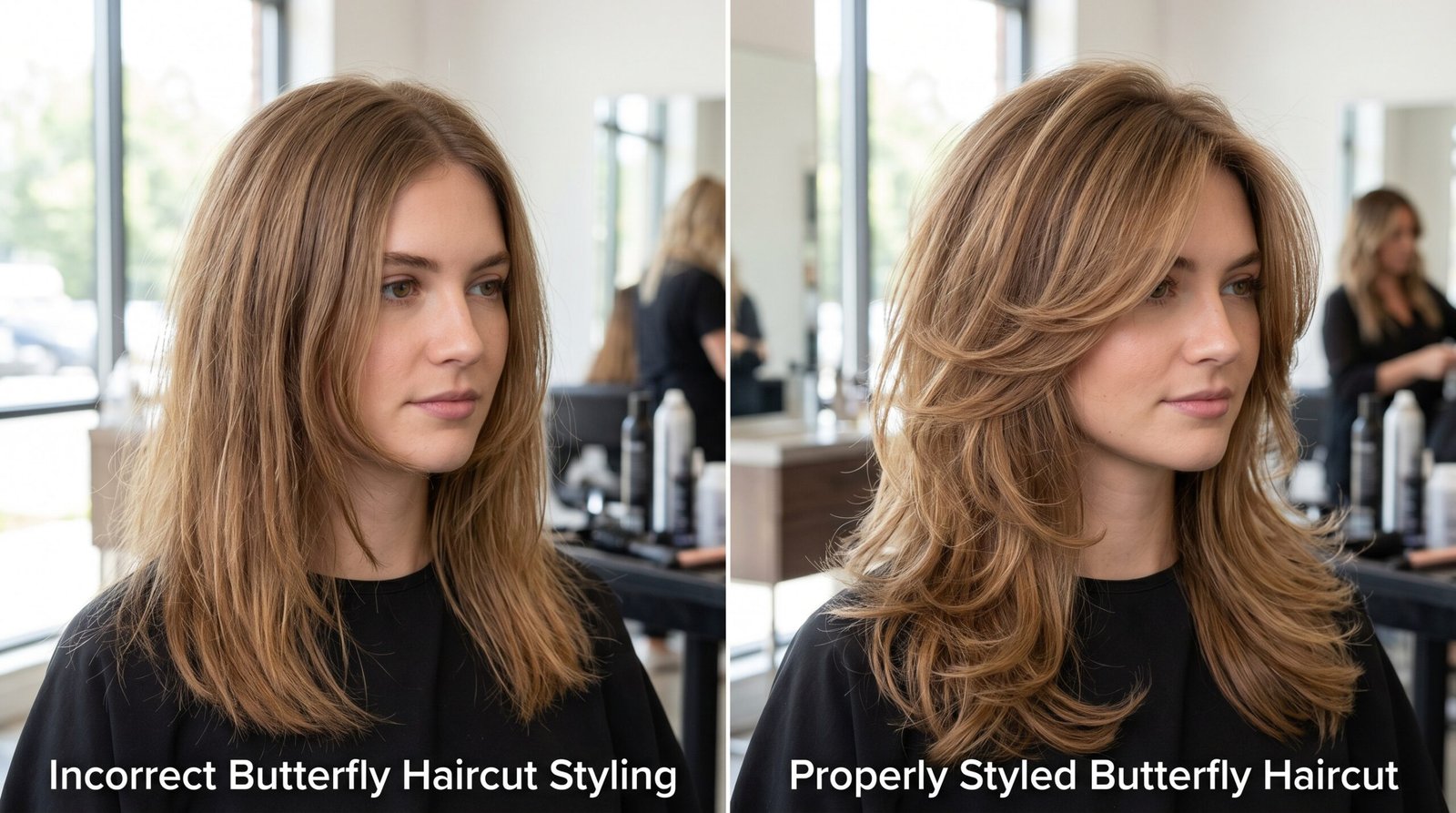
The butterfly haircut is a specific layered hairstyle designed to create the appearance of both short and long hair within the same haircut.
The style typically includes:
- Short layers around the face
- Crown layers for lift
- Longer layers underneath
- Noticeable separation between layer lengths
The haircut gets its name from the wing-like shape formed by the layers when styled.
Unlike general layered haircuts, the butterfly haircut follows a more defined structure intended to create volume and movement while preserving overall length.
Main Difference Between Butterfly Haircut And Layered Haircut
The primary difference is that every butterfly haircut uses layers, but not every layered haircut is a butterfly haircut.
A layered haircut can have many different layer placements and lengths.
A butterfly haircut follows a specific pattern that combines shorter top layers with longer bottom layers to create a two-level appearance.
In simple terms:
- Layered haircut = broad haircut category
- Butterfly haircut = specific layered style
Layer Structure Comparison
Traditional Layered Haircut
Traditional layered haircuts often blend layers gradually throughout the hair.
Characteristics include:
- Even distribution of layers
- Smooth transitions
- Consistent movement
- Less contrast between lengths
The overall appearance is balanced and blended.
Butterfly Haircut
Butterfly haircuts create more separation between layer lengths.
Characteristics include:
- Distinct upper layers
- Longer lower sections
- More visible contrast
- Two-level structure
This creates a more dramatic visual effect.
Volume Differences
Layered Haircut Volume
Traditional layers can add volume depending on how they are cut.
The volume is usually distributed evenly throughout the hairstyle.
Benefits include:
- Natural movement
- Balanced fullness
- Flexible styling
Butterfly Haircut Volume
The butterfly haircut is specifically designed to increase volume near the crown and face.
Benefits include:
- Lift at the roots
- More visible movement
- Fuller appearance around the face
People seeking extra volume often choose the butterfly haircut for this reason.
Length Preservation
Traditional Layered Haircut
Some layered styles remove a noticeable amount of length, especially when multiple layers are added throughout the hair.
The amount of length retained depends on the stylist’s technique.
Butterfly Haircut
Length preservation is one of the defining features of the butterfly haircut.
The lower layers remain long while shorter layers are added above them.
This allows people to enjoy a noticeable change without losing significant length.
Face-Framing Effects
Traditional Layers
Traditional layers can frame the face, but the degree of framing varies based on the haircut design.
Face-framing sections may be:
- Long
- Medium length
- Subtle
Butterfly Haircut
Face-framing layers are a central element of the butterfly haircut.
These shorter sections create:
- Structure around the face
- Added movement
- Enhanced styling flexibility
The face-framing effect is generally more noticeable.
Styling Flexibility
Layered Haircut
Layered haircuts support many styling options.
Popular choices include:
- Straight hair
- Waves
- Curls
- Ponytails
- Braids
Layers blend naturally into most hairstyles.
Butterfly Haircut
Butterfly haircuts also provide styling flexibility but emphasize volume and movement.
Popular styles include:
- Blowouts
- Loose curls
- Face-framing waves
- Half-up hairstyles
- Layer-focused styling
The haircut is often styled to showcase its distinct layer structure.
Appearance Comparison
Traditional Layered Haircut Appearance
The appearance is generally:
- Balanced
- Blended
- Uniform
- Natural
Layers flow smoothly together.
Butterfly Haircut Appearance
The appearance is often:
- Structured
- Layer-focused
- Dynamic
- Volume-oriented
The separation between layers becomes part of the hairstyle’s visual appeal.
Hair Density Considerations
Fine Hair
Traditional layers may help create movement in fine hair.
Butterfly haircuts can also add the appearance of fullness when properly customized.
Medium Hair Density
Both haircuts generally work well for medium-density hair.
The choice often depends on styling preferences.
Thick Hair
Thick hair often responds well to both styles.
Layers remove weight and improve manageability.
The butterfly haircut can help distribute volume more effectively in thick hair.
Maintenance Requirements
Layered Haircut Maintenance
Maintenance depends on the complexity of the layers.
Typical requirements include:
- Regular trims
- Basic styling
- Routine hair care
Butterfly Haircut Maintenance
Butterfly haircuts may require more frequent maintenance to preserve their distinct shape.
Maintenance often includes:
- Layer refinement
- Blow-drying
- Styling for volume
- Regular salon visits
The haircut’s structure becomes less visible as layers grow out.
Blowout Results
Traditional Layers
Blowouts enhance movement and smoothness.
The result is often soft and blended.
Butterfly Haircut
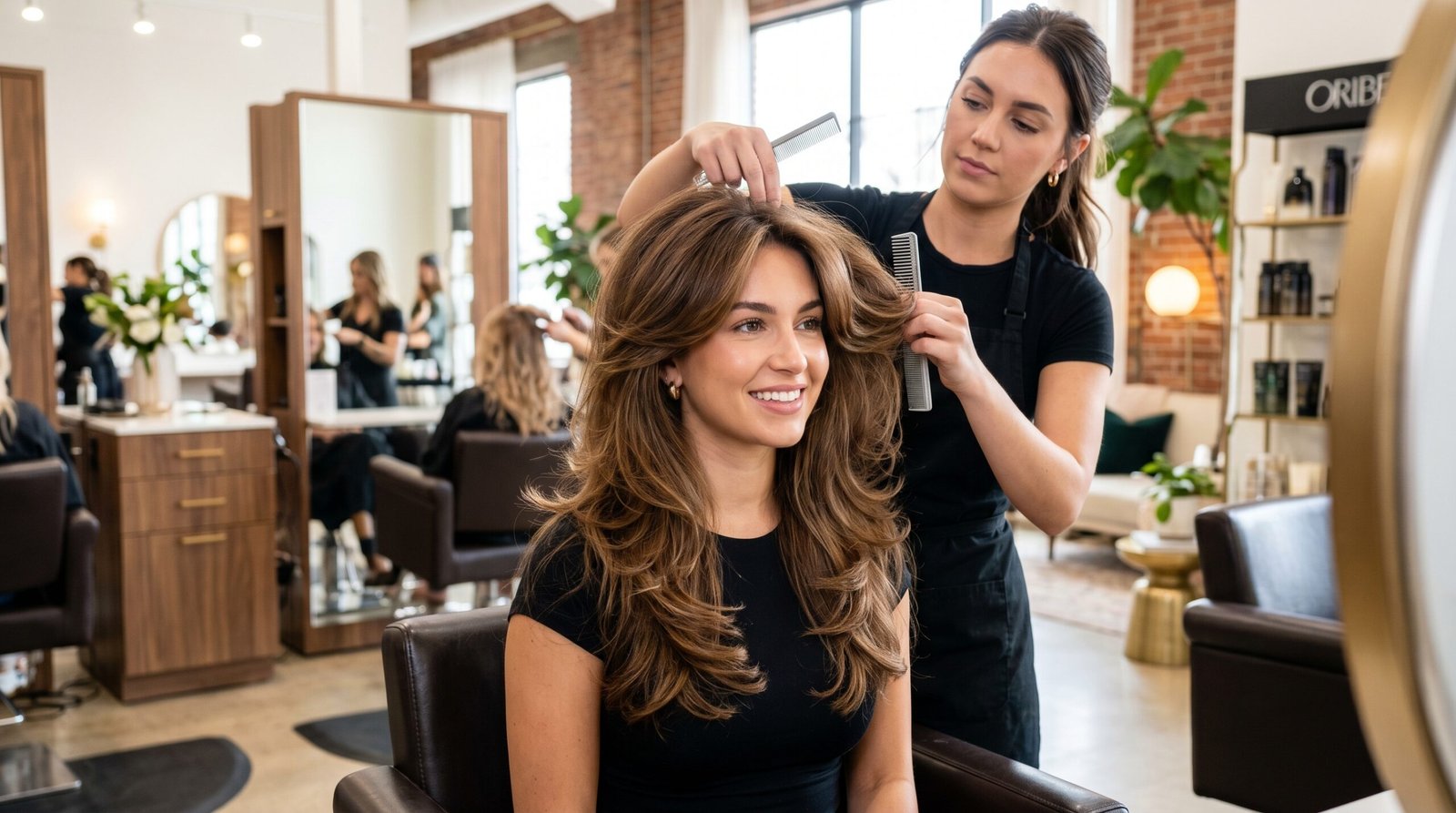
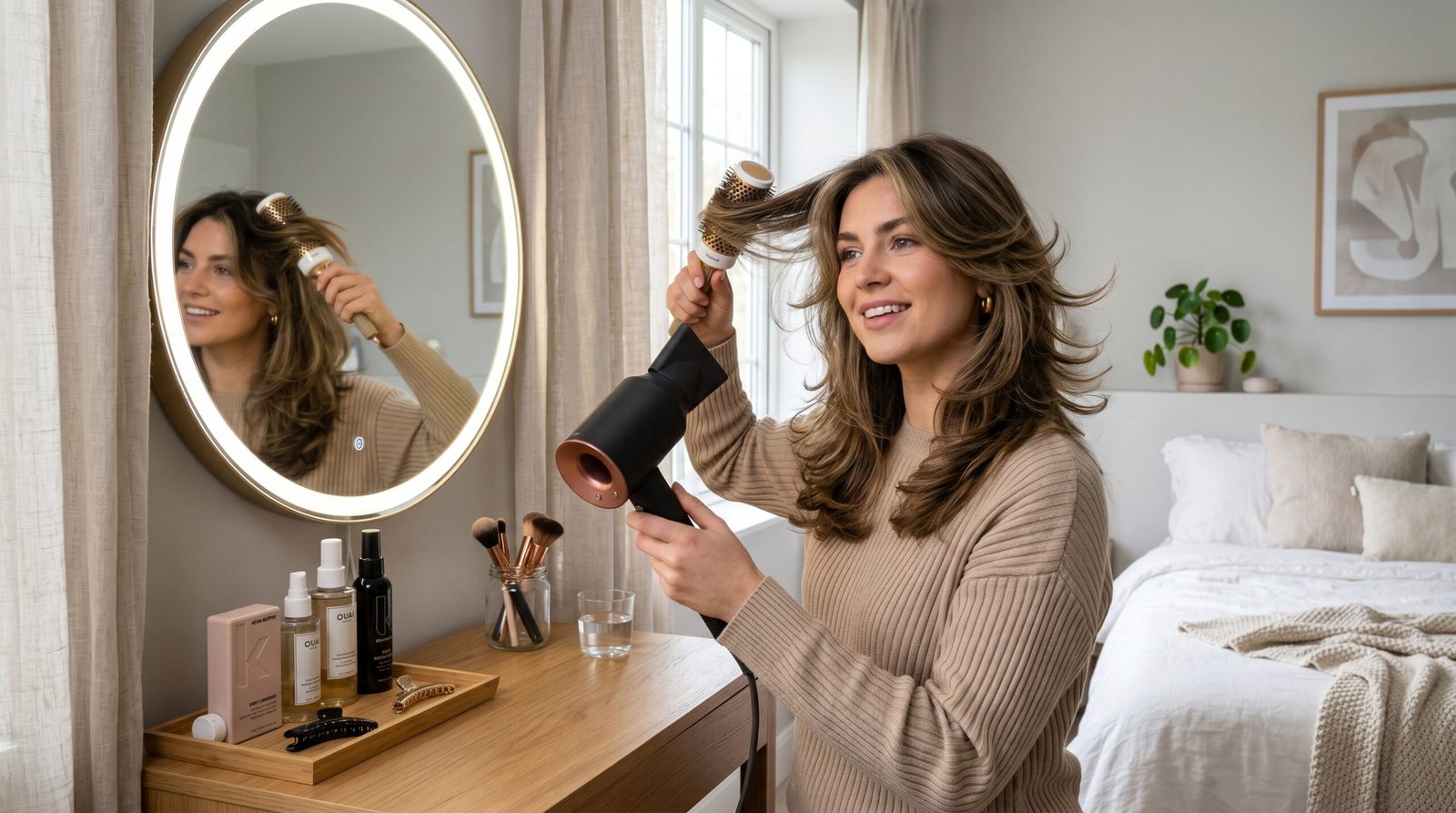
Blowouts are one of the most popular ways to style a butterfly haircut.
The shorter layers lift away from the face, making the haircut’s structure more noticeable.
This styling method often highlights the signature butterfly effect.
Suitability For Long Hair
Layered Haircut
Long hair can benefit from layers because they reduce heaviness and add movement.
Layer placement varies according to personal preference.
Butterfly Haircut
The butterfly haircut is especially popular among people with medium and long hair.
The style depends on having enough length to create contrast between upper and lower sections.
Long hair often showcases the haircut most effectively.
Suitability For Medium Hair
Traditional layers work very well on medium-length hair.
Butterfly haircuts can also be adapted for medium lengths, although the contrast between layer levels may be less dramatic compared to longer hair.
Suitability For Curly Hair
Traditional Layers
Curly hair often benefits from layers because they help distribute volume.
Butterfly Haircut
Butterfly layering can also work with curly hair when customized properly.
A professional stylist must consider curl patterns to maintain balance.
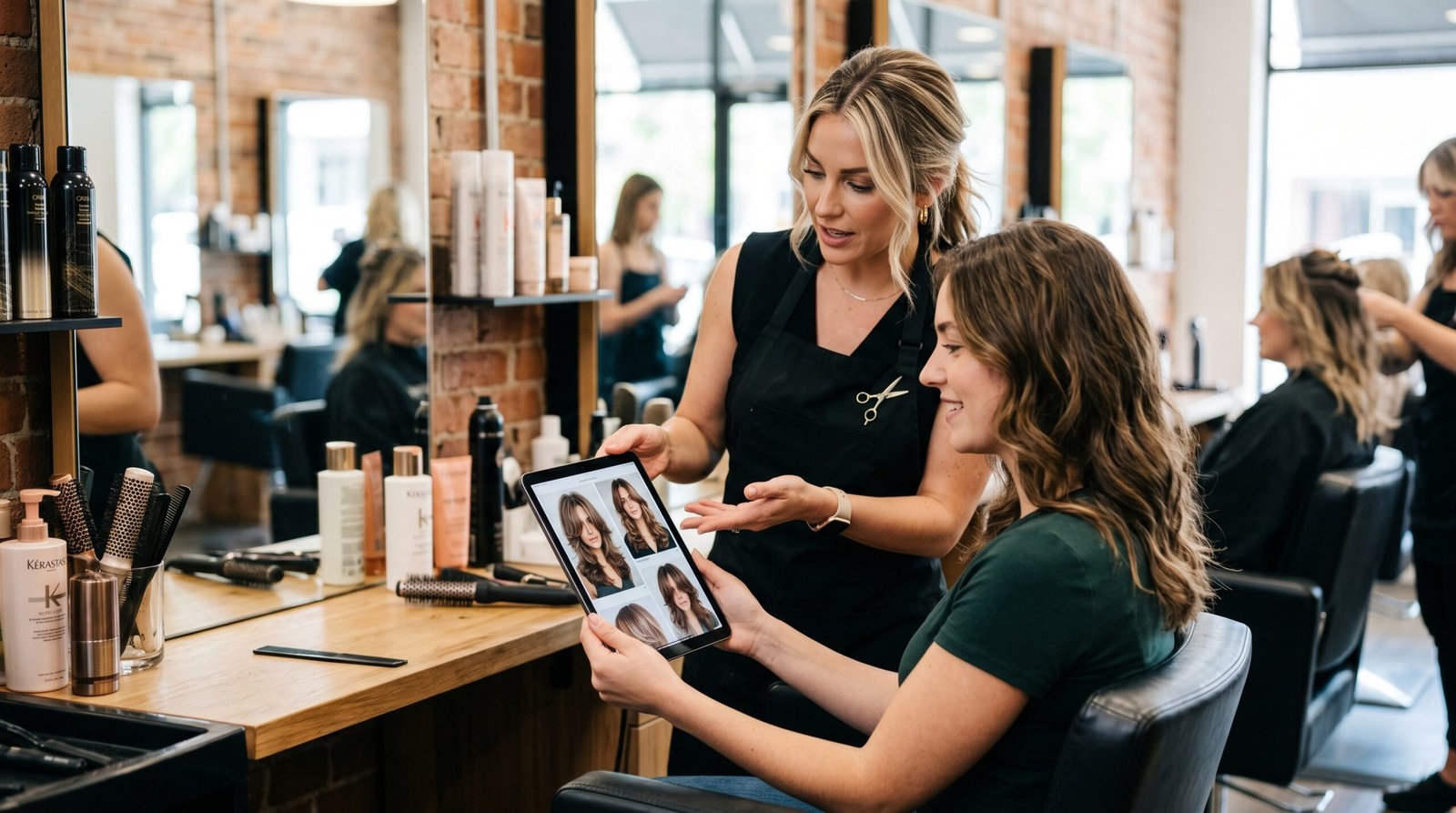
Salon Consultation Differences
When requesting a layered haircut, clients often have many customization options.
A stylist may ask about:
- Layer length
- Density
- Styling habits
- Hair goals
For a butterfly haircut, the consultation focuses more specifically on:
- Face-framing sections
- Crown volume
- Length retention
- Layer separation
Because the style follows a defined structure, the discussion is often more detailed.
Advantages Of A Traditional Layered Haircut
Adaptable
Layers can be customized for nearly any hair type.
Easy To Maintain
Many layered cuts require minimal daily styling.
Versatile
They work with various lengths and textures.
Timeless
Layered haircuts remain popular regardless of changing trends.
Advantages Of A Butterfly Haircut
Preserves Length
The lower sections remain long.
Creates Volume
Shorter upper layers provide lift.
Enhances Movement
Layer contrast creates visible motion.
Frames The Face
Face-framing layers become a focal point of the haircut.
Supports Multiple Looks
The haircut can appear shorter or longer depending on styling.
Common Misconceptions
Myth: Butterfly Haircuts Are Completely Different From Layers
Reality: Butterfly haircuts are a specific type of layered haircut.
Myth: Layered Haircuts Always Reduce Length
Reality: Many layered styles preserve substantial length.
Myth: Butterfly Haircuts Only Work On Thick Hair
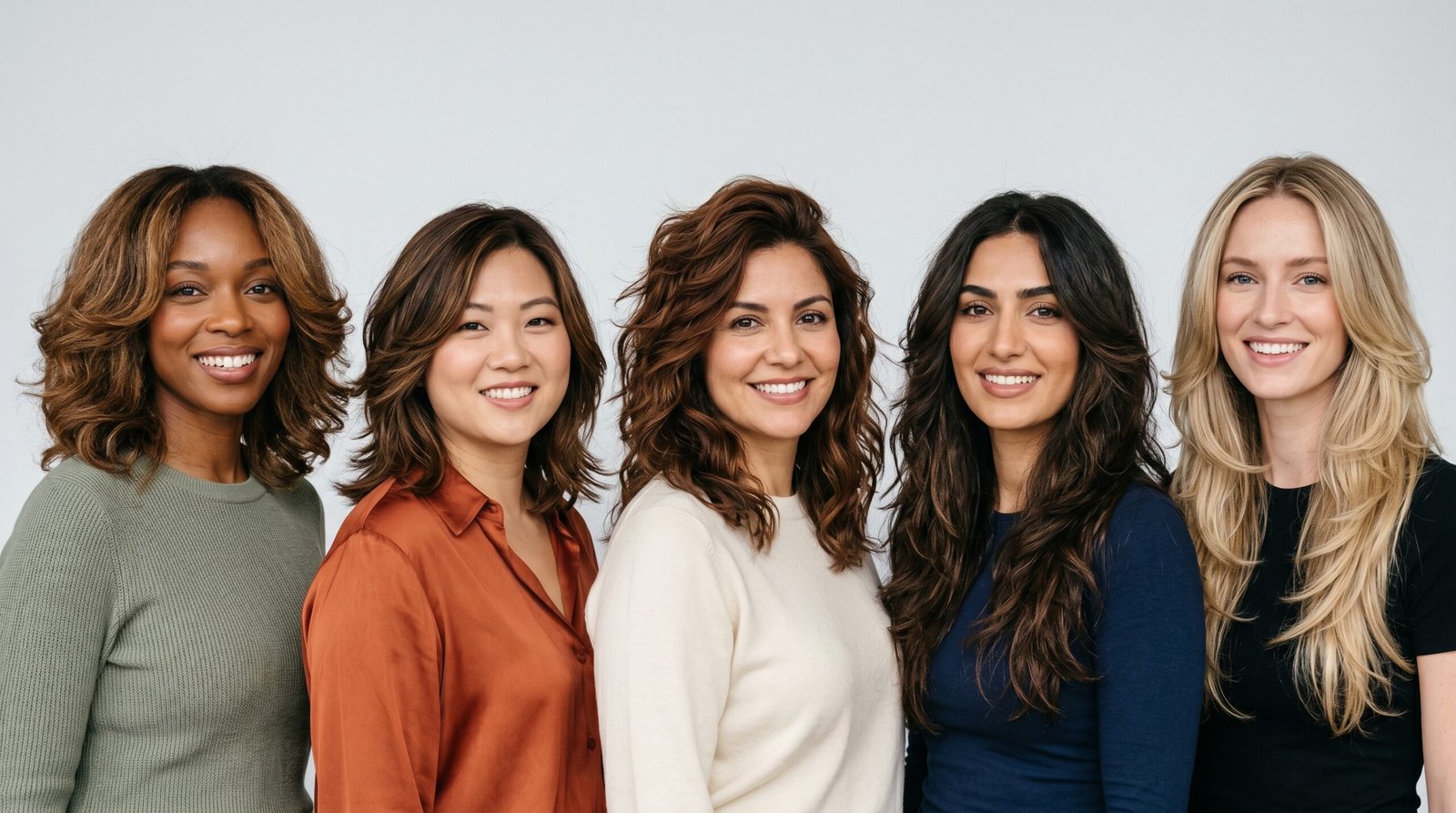
Reality: The haircut can be adapted for various hair types when customized correctly.
Myth: All Layered Haircuts Look The Same
Reality: Layer placement, length, and structure create many different results.
Which Haircut Should You Choose?
A traditional layered haircut may be ideal if you want:
- Balanced movement
- Subtle shaping
- Lower maintenance
- Flexible customization
A butterfly haircut may be ideal if you want:
- More volume
- Noticeable face-framing layers
- Preserved length
- Distinct layer separation
The best choice depends on individual preferences, hair characteristics, and styling habits.
Future Popularity Of Both Styles
Layered haircuts continue to remain relevant because they adapt to changing trends.
The butterfly haircut has become one of the most recognized layered styles due to its ability to create movement while maintaining length.
As hairstyle trends evolve, both styles are expected to remain popular because they offer flexibility and can be customized for different hair needs.
Conclusion
The butterfly haircut and traditional layered haircut share many similarities because both rely on layers to create shape and movement. However, the butterfly haircut follows a more specific design that combines shorter face-framing layers with longer lower sections, creating a distinct two-level appearance.
Traditional layered haircuts offer broad customization and natural blending, while butterfly haircuts focus on volume, movement, and length preservation. Understanding these differences helps individuals communicate their preferences clearly when visiting a salon.
Choosing between the two depends on personal styling goals, hair type, maintenance expectations, and the overall look desired. Both haircuts can provide movement, structure, and versatility when tailored to individual needs.

Leave a Reply