
Introduction
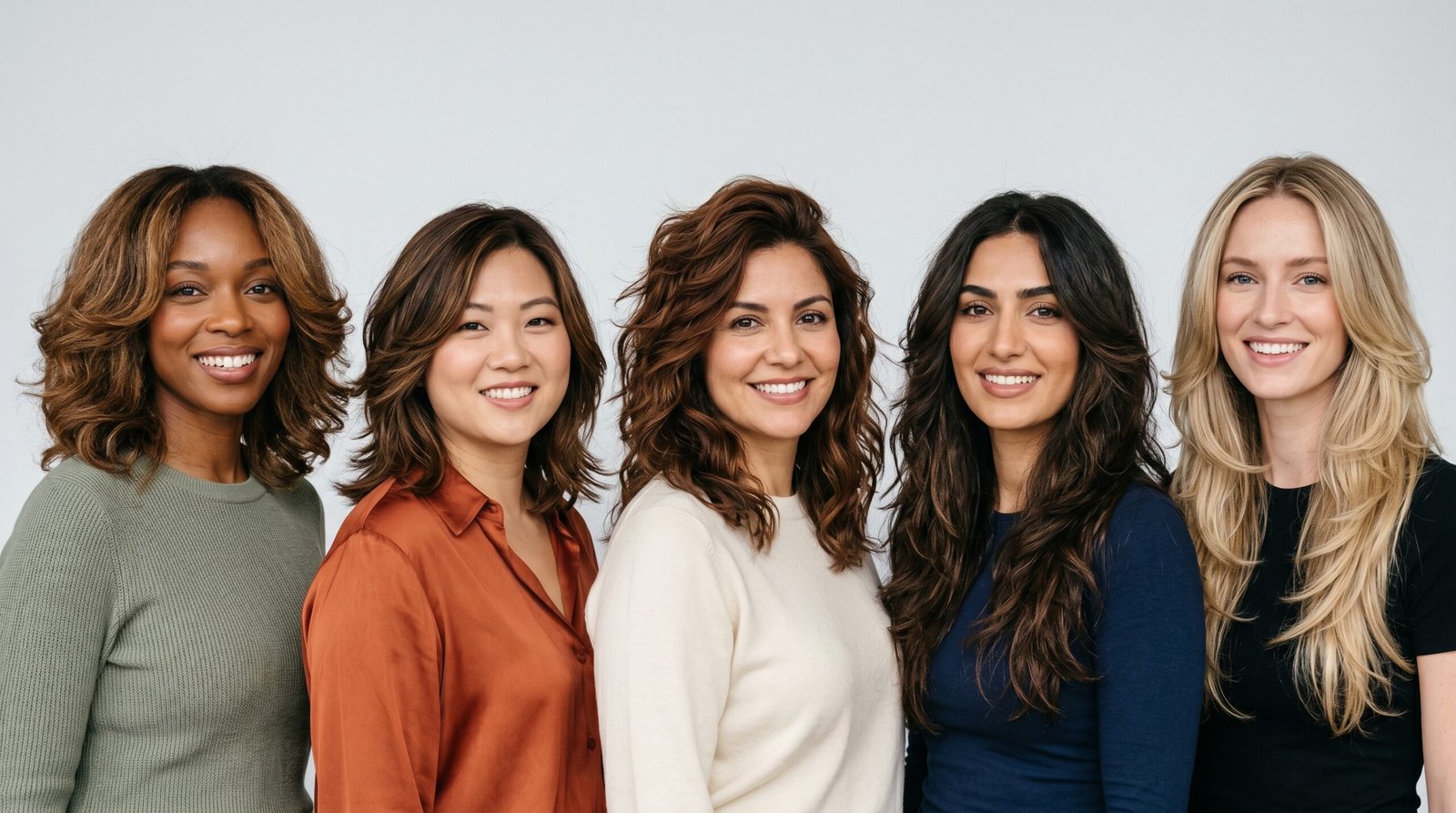
The butterfly haircut has become one of the most requested hairstyles because it combines volume, movement, and length retention in a way that works for many people. One of the reasons for its popularity is its ability to be customized for different face shapes. While no haircut is limited to a specific facial structure, understanding how a butterfly haircut interacts with various face shapes can help individuals achieve a balanced appearance.
The butterfly haircut is known for its shorter face-framing layers combined with longer layers underneath. This structure creates dimension around the face and can be adjusted to highlight certain features while softening others. Because of this flexibility, hairstylists often recommend the butterfly haircut to clients with different facial proportions.
This guide explains the best face shapes for a butterfly haircut, how the layers influence facial balance, and what adjustments stylists commonly make to complement different features.
Understanding Face Shapes
Before discussing suitability, it is helpful to understand the common face shape categories.
The most recognized face shapes include:
- Oval
- Round
- Square
- Heart
- Diamond
- Oblong
- Rectangle
Each face shape has different proportions involving:
- Forehead width
- Cheekbone width
- Jawline structure
- Face length
The goal of a haircut is often to create balance among these proportions.
Why Face Shape Matters
Face shape influences how layers fall around the face.
The placement of shorter layers can:
- Draw attention to certain features
- Create visual balance
- Frame the face effectively
- Alter perceived proportions
Because the butterfly haircut relies heavily on face-framing layers, understanding facial structure can help maximize its benefits.
Oval Face Shape
Why It Works Well
An oval face shape is often considered one of the most versatile face shapes for hairstyles.
Characteristics include:
- Balanced proportions
- Slightly longer length than width
- Soft jawline
- Symmetrical appearance
The butterfly haircut works particularly well because the face-framing layers naturally follow the facial contours without overwhelming them.
Recommended Layer Placement
For oval faces, stylists often recommend:
- Face-framing layers beginning near the cheekbones
- Crown layers for movement
- Long lower layers to preserve length
These elements enhance the natural balance of the face.
Styling Options
People with oval faces can wear butterfly haircuts in various ways:
- Straight styles
- Waves
- Blowouts
- Ponytails
- Half-up hairstyles
The balanced proportions support many styling choices.
Round Face Shape
Why It Works Well
Round faces typically feature:
- Similar width and length
- Soft jawline
- Full cheeks
The butterfly haircut can help create the appearance of additional length.
The longer layers visually extend the face while the face-framing sections add structure.
Recommended Layer Placement
For round faces, stylists often suggest:
- Longer face-framing layers
- Crown volume
- Length below the shoulders
These features help elongate the facial appearance.
Styling Suggestions
Useful styling methods include:
- Blowouts with crown lift
- Loose waves
- Side-part styles
These approaches can emphasize vertical balance.
Square Face Shape
Why It Works Well
Square faces generally have:
- Strong jawlines
- Broad foreheads
- Similar face width and length
The butterfly haircut can soften the visual impact of angular features.
Recommended Layer Placement
Stylists may recommend:
- Layers beginning around the cheekbones
- Soft face-framing sections
- Layer blending around the jawline
These techniques create movement around stronger facial angles.
Styling Suggestions
Popular options include:
- Loose curls
- Layered blowouts
- Soft waves
These styles help balance facial structure.
Heart Face Shape
Why It Works Well
Heart-shaped faces often include:
- Wider forehead
- Narrow chin
- Prominent cheekbones
The butterfly haircut helps distribute volume more evenly across the face.
Recommended Layer Placement
Stylists often suggest:
- Layers near the chin area
- Face-framing sections below the cheekbones
- Length retention throughout the lower hair
This helps balance upper and lower facial proportions.
Styling Suggestions
Suitable styling methods include:
- Soft waves
- Layered blowouts
- Side-swept styling
These techniques can create a balanced appearance.
Diamond Face Shape
Why It Works Well
Diamond face shapes are characterized by:
- Prominent cheekbones
- Narrow forehead
- Narrow jawline
The butterfly haircut complements these features by adding movement around the upper and lower portions of the face.
Recommended Layer Placement
For diamond faces, stylists often recommend:
- Face-framing layers near the cheekbones
- Balanced crown layers
- Long lower layers
These elements help create harmony throughout the facial structure.
Styling Suggestions
Common styling choices include:
- Blowouts
- Soft curls
- Layer-focused styling
These styles enhance facial balance.
Oblong Face Shape
Why It Works Well
Oblong faces are generally:
- Longer than they are wide
- Balanced through the jawline
- Extended vertically
The butterfly haircut can help reduce the appearance of excess length by adding width through layered volume.
Recommended Layer Placement
Stylists frequently suggest:
- Face-framing layers beginning higher on the face
- Increased side volume
- Balanced crown layering
These adjustments help create proportional width.
Styling Suggestions
Useful styling methods include:
- Waves
- Side volume styling
- Layer-focused blowouts
These techniques contribute to visual balance.
Rectangle Face Shape
Why It Works Well
Rectangle face shapes share similarities with oblong faces but often include stronger jawlines.
The butterfly haircut helps soften the structure while adding width and movement.
Recommended Layer Placement
Helpful layer placement includes:
- Face-framing sections around the cheeks
- Layer blending near the jawline
- Additional side volume
These adjustments can create balance.
Styling Suggestions
Many stylists recommend:
- Soft curls
- Layered waves
- Blowouts with side movement
These styles help soften facial lines.
How Face-Framing Layers Influence Face Shape
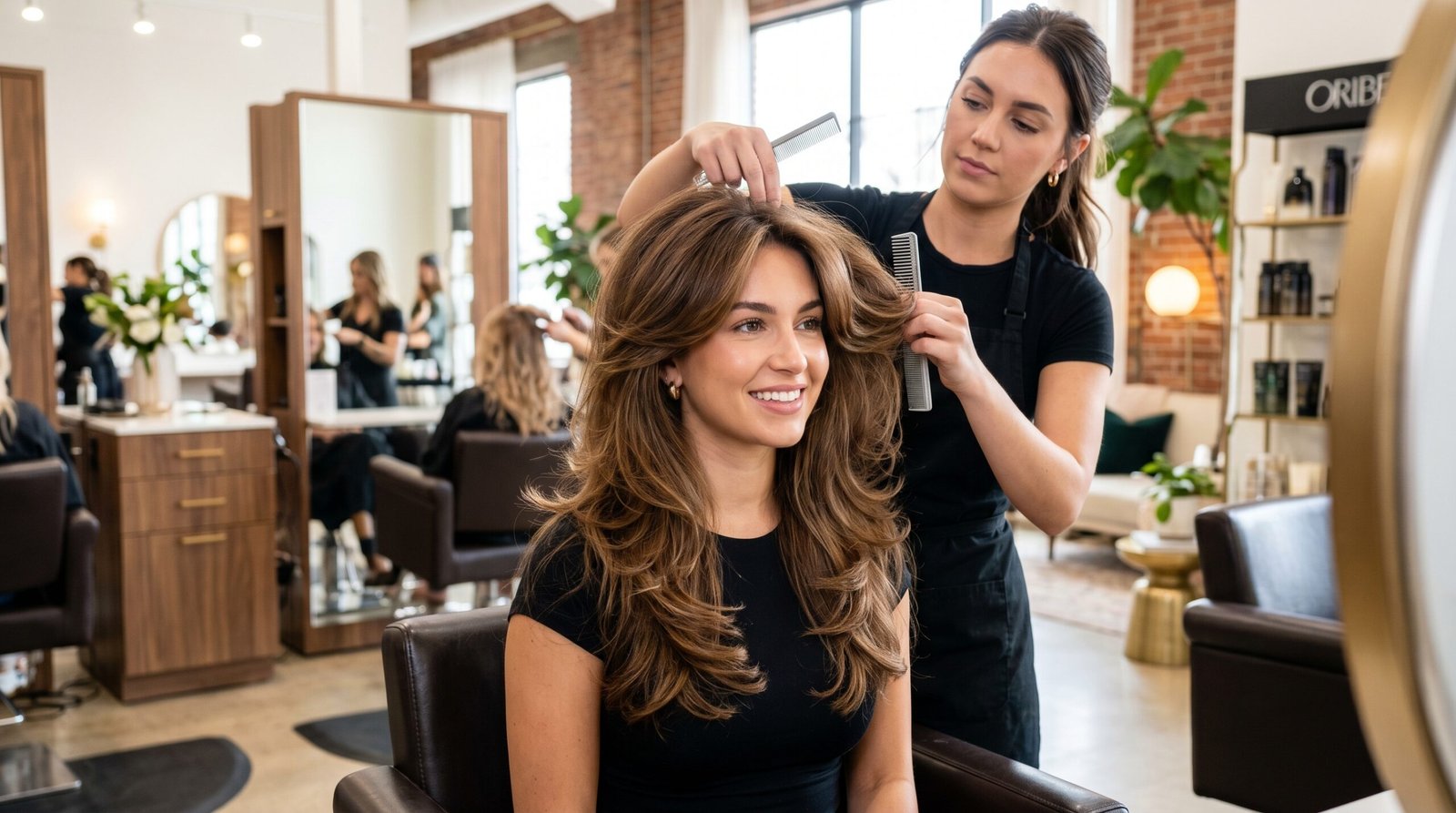
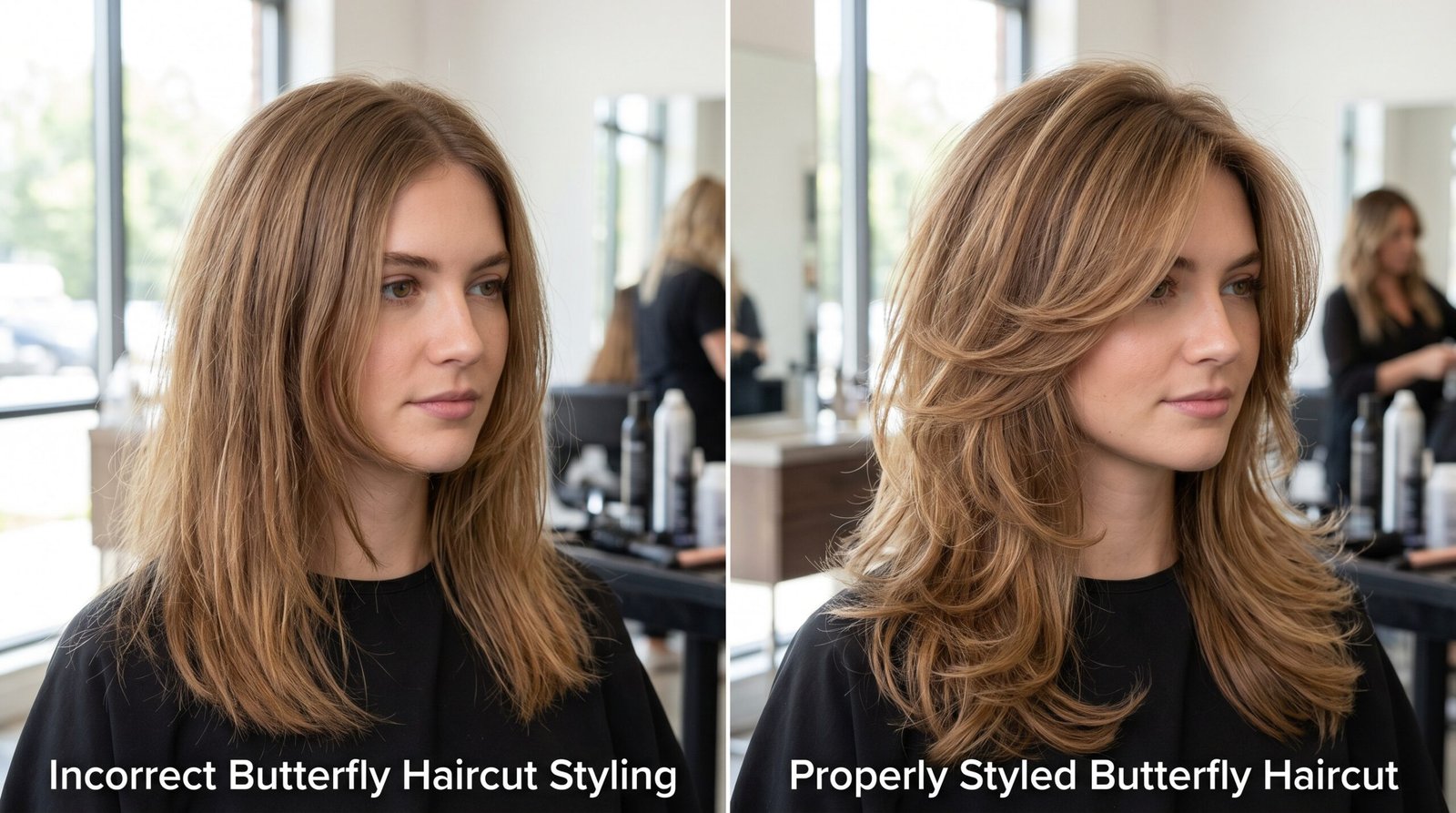
Face-framing layers are one of the defining features of a butterfly haircut.
These layers can:
- Highlight cheekbones
- Draw attention to the eyes
- Create facial balance
- Influence perceived face length
Because of this, hairstylists often customize the starting point of the layers according to face shape.
Importance Of Hair Length
Hair length plays a significant role in how a butterfly haircut interacts with facial proportions.
Long Hair
Long hair often showcases the butterfly structure most effectively.
Benefits include:
- Greater layer contrast
- Enhanced movement
- Improved styling flexibility
Medium-Length Hair
Medium-length hair can still support the butterfly haircut, although the distinction between layer lengths may be less dramatic.
Hair Density And Face Shape
Hair density can influence how layers appear around the face.
Fine Hair
Fine hair may benefit from carefully placed layers that create the appearance of fullness.
Medium Density Hair
Medium-density hair often supports butterfly layering effectively.
Thick Hair
Thick hair can benefit from weight reduction while maintaining volume.
Stylists frequently adjust layer placement based on density and facial structure.
Common Customizations For Different Face Shapes
A butterfly haircut is rarely identical from one client to another.
Stylists often customize:
- Layer length
- Face-framing placement
- Crown volume
- Layer separation
- Overall shape
These adjustments ensure the haircut complements individual facial features.
Face Shapes That Benefit Most
Although the butterfly haircut can be adapted for nearly any face shape, some face shapes often respond particularly well.
These include:
Oval Face Shape
The balanced proportions work naturally with layered structures.
Round Face Shape
Long layers and crown volume can create visual length.
Heart Face Shape
Layer placement can balance forehead and chin proportions.
Diamond Face Shape
Face-framing layers highlight cheekbones while creating harmony.
Common Misconceptions
Myth: Only Certain Face Shapes Can Wear A Butterfly Haircut
Reality: The haircut can be customized for many face shapes.
Myth: Face Shape Is More Important Than Hair Type
Reality: Both factors are important and should be considered together.
Myth: Round Faces Should Avoid Layers
Reality: Properly placed layers can help create balance and structure.
Myth: Butterfly Haircuts Require A Perfect Face Shape
Reality: The haircut is designed to be adaptable and customizable.
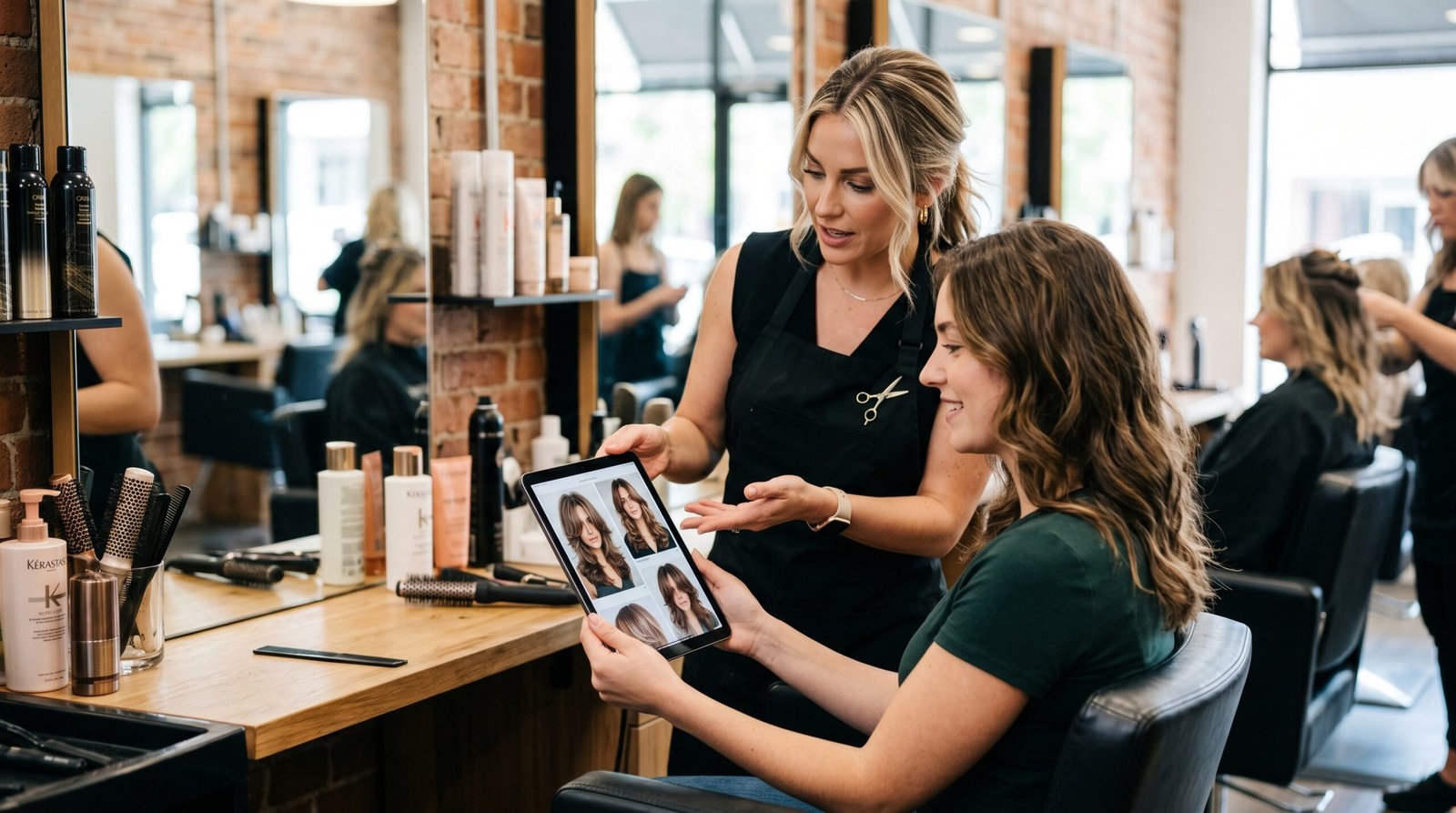
Questions To Ask Your Stylist
Before choosing a butterfly haircut, consider asking:
- Where should my face-framing layers begin?
- How much volume should be added near the crown?
- Will the haircut complement my facial structure?
- How will the layers affect my daily styling routine?
- How often should I schedule trims?
These questions help ensure the haircut aligns with your goals.
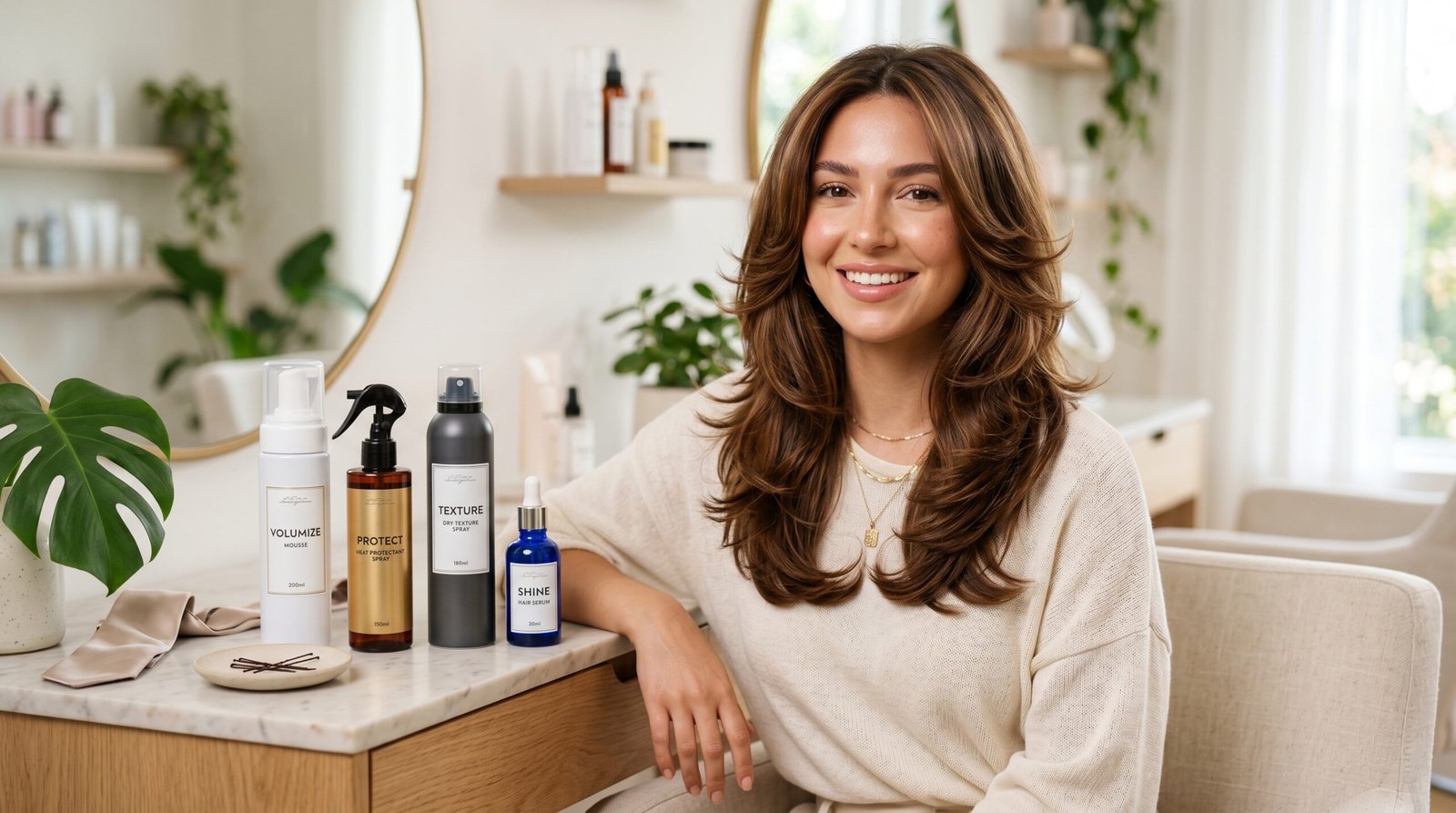
Maintaining A Butterfly Haircut
To keep the haircut looking structured:
- Schedule regular trims
- Protect hair from heat damage
- Use suitable hair care products
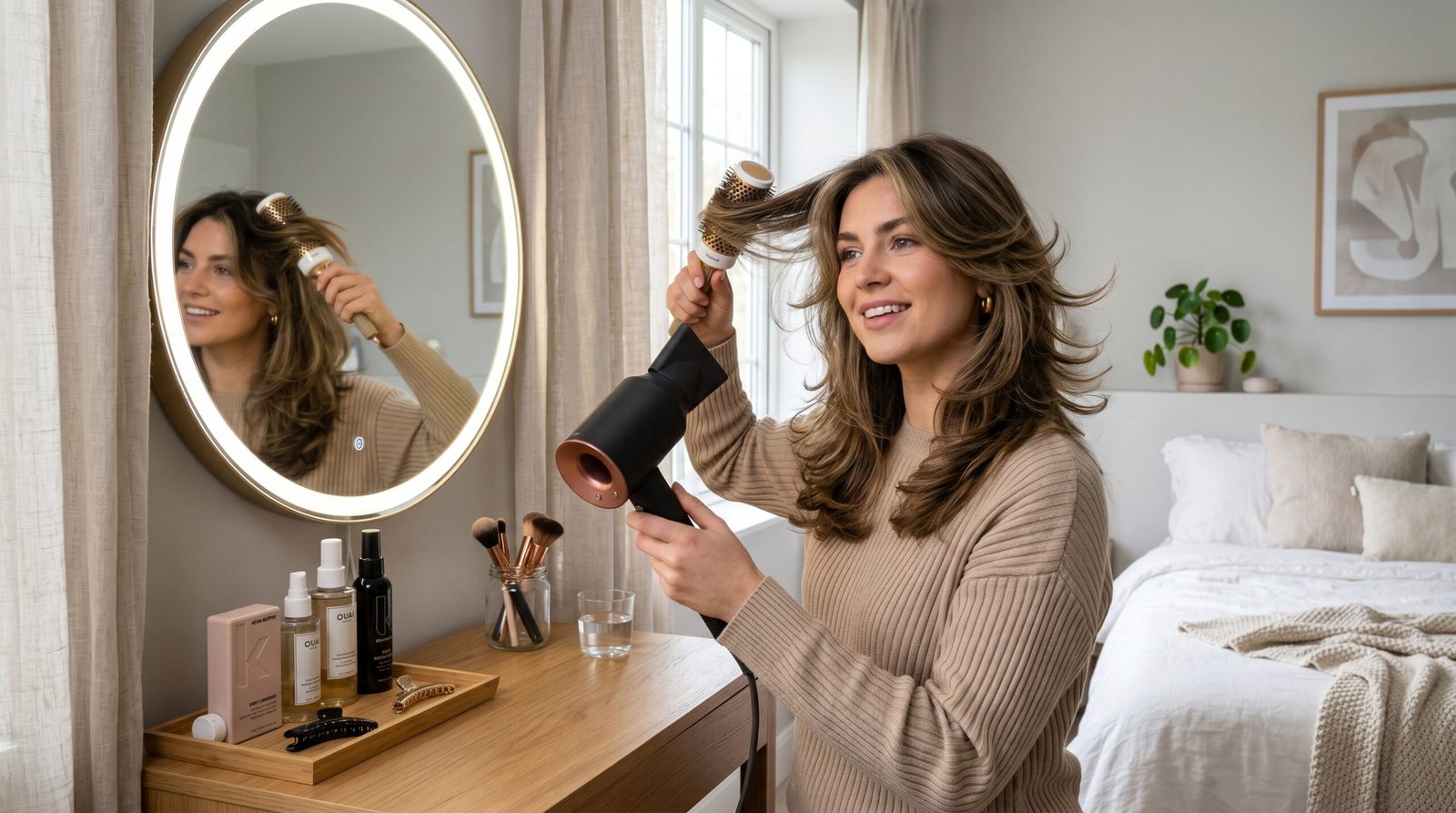
- Follow recommended styling techniques
Proper maintenance helps preserve the layer structure and face-framing effect.
Conclusion
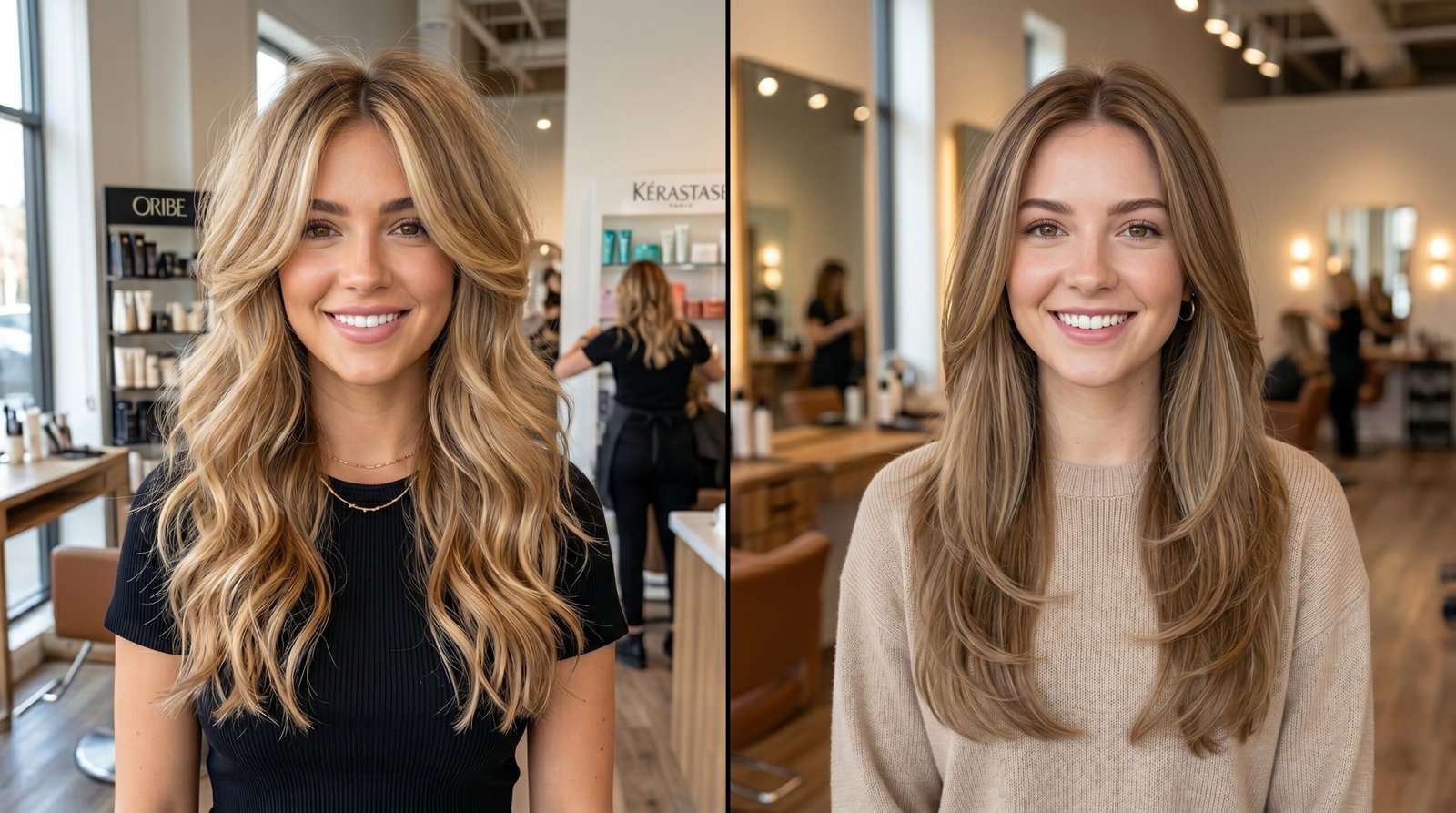
The butterfly haircut is one of the most adaptable layered hairstyles available today. Its combination of shorter face-framing layers and longer underlying sections allows hairstylists to customize the look for a wide range of face shapes.
Oval, round, heart, diamond, square, oblong, and rectangle face shapes can all benefit from a butterfly haircut when the layers are adjusted appropriately. The key to success lies in strategic layer placement, balanced volume, and professional customization based on individual features.
While face shape plays an important role, hair texture, density, length, and styling habits should also be considered when designing a butterfly haircut. Working closely with a stylist ensures that the haircut enhances facial proportions while providing movement, versatility, and long-term styling flexibility.


Leave a Reply