
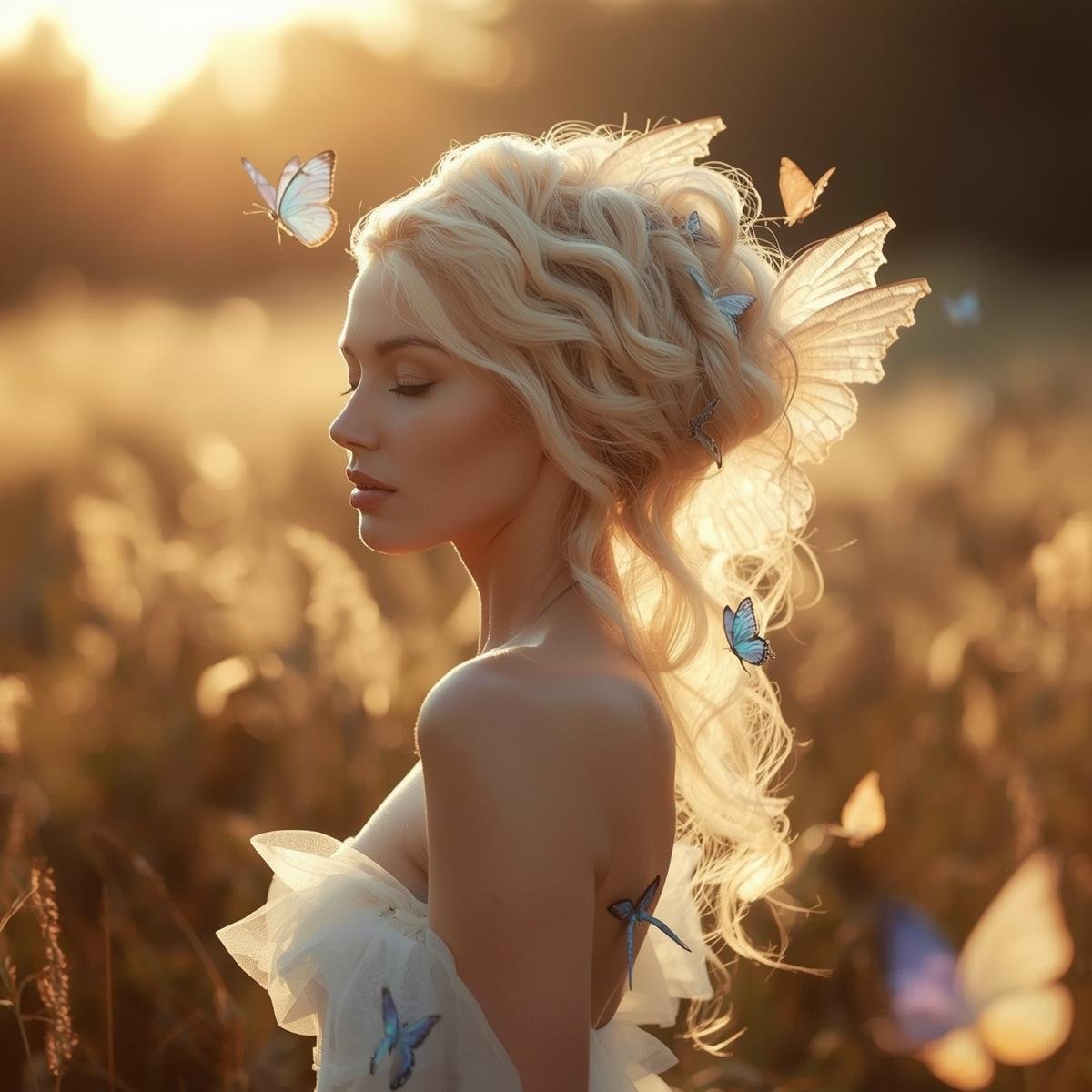
The butterfly haircut has taken the beauty world by storm. Salons report increasing requests for this layered style, and social media feeds fill with transformation videos showing the dramatic results. But the name itself raises a question for many people: why butterfly?
Unlike haircuts named after their creators or the decade they emerged from, the butterfly cut takes its name from a visual metaphor. Understanding why this cut earned its name reveals much about what makes it special and why it has become so popular.
The Visual Metaphor Behind the Name
The butterfly cut gets its name from the way the hair moves and frames the face. When styled properly, the shorter layers around the face lift and curve outward, creating a shape reminiscent of butterfly wings in motion. The longer layers beneath flow downward like the body of the butterfly, completing the visual effect.
Several specific elements contribute to this winged appearance:
The Wing Shape
The shortest layers of a butterfly cut typically hit around the chin or cheekbone area. When these layers are styled, they curve away from the face, creating a soft winged shape on both sides. This framing effect draws immediate attention to the face while creating that signature butterfly silhouette.
The Lift
Butterfly wings need lift to take flight, and the same applies to this haircut. The strategic layering removes weight from the crown area, allowing the hair to lift at the roots. This elevation creates the impression of wings ready to take off, adding energy and movement to the overall look.
The Movement
When a person with a butterfly cut turns their head or walks, the layers separate and flow independently. This movement mimics the fluttering of butterfly wings, with each layer catching light and moving in its own pattern while remaining part of the whole.
The Framing
Butterflies have symmetrical wings that frame their bodies. Similarly, the butterfly cut uses symmetrical face-framing layers to highlight the face. These pieces act like wings surrounding and drawing attention to the central feature.
Historical Roots of the Name
The term butterfly haircut did not appear suddenly. It emerged from a long tradition of nature-inspired hairstyle names and evolved through decades of hair fashion.
The 1970s Foundation
The 1970s saw the rise of the shag haircut, which introduced the concept of heavily layered hair with movement and texture. During this decade, hairstylists began experimenting with names that evoked natural imagery to describe their creations. Feather cuts, Farrah Fawcett wings, and other nature-inspired terms became common in salons.
Stylists of this era noticed how certain layering patterns created shapes reminiscent of natural elements. Hair that lifted at the crown and curved around the face reminded them of bird wings in flight. This observation planted the seeds for what would eventually become the butterfly cut.
The 1990s Evolution
The 1990s brought renewed interest in layered haircuts, particularly the Rachel cut made famous by Jennifer Aniston on the television show Friends. This cut featured face-framing layers that created a softer, more rounded silhouette than previous decades.
During this period, stylists began using the term butterfly wings to describe the face-framing sections of certain layered cuts. Clients would ask for wings around their face, and stylists understood this to mean soft, curved layers that swept away from the cheeks.
The Social Media Era
The name butterfly haircut gained widespread use in the early 2020s as social media platforms became primary sources of beauty inspiration. TikTok and Instagram users needed catchy, descriptive names for the hairstyles they shared, and butterfly haircut fit perfectly.
The visual nature of these platforms made the butterfly comparison immediately understandable. Viewers could see the winged shape in videos and photos, and the name stuck because it accurately described what they were seeing.
Why Butterfly Rather Than Other Insects or Animals
The choice of butterfly over other winged creatures reflects specific qualities of the haircut.
Butterfly vs. Bird
Bird wings suggest strength and precision, with defined edges and purposeful direction. Butterfly wings evoke softness, delicacy, and gentle movement. The butterfly cut emphasizes soft, feathered layers rather than sharp, precise lines, making butterfly a more accurate comparison.
Butterfly vs. Moth
Moths have softer, fuzzier appearances than butterflies. While the butterfly cut has soft elements, it maintains a level of refinement and brightness that aligns better with butterfly imagery than with moth associations.
Butterfly vs. Dragonfly
Dragonfly wings have a transparent, linear quality that does not match the full, voluminous layers of this haircut. Butterfly wings offer more visual weight and color, matching the dimensional quality of well-executed layers.
The Transformation Connection
Butterflies undergo metamorphosis, transforming from caterpillars into completely different creatures. This transformation aspect resonates with people who get butterfly cuts. Many describe the experience as transformative, changing not just their hair but how they feel about their appearance.
Cultural References That Reinforced the Name
Several cultural moments helped cement the butterfly association in popular consciousness.
Butterfly Hair Clips
Before the butterfly haircut existed, butterfly hair clips were popular accessories. These clips, shaped like butterflies with wings that clipped onto sections of hair, created a similar visual effect. When people saw the haircut creating wing-like shapes, the connection to those familiar clips felt natural.
Butterfly Imagery in Fashion
Fashion has long used butterfly imagery to represent femininity, transformation, and freedom. Designers incorporate butterflies into prints, jewelry, and accessories. The butterfly haircut fits into this broader cultural appreciation for butterfly symbolism.
Social Media Aesthetics
Butterfly filters and effects have been popular on social media platforms. These digital tools add butterfly wings to user photos and videos. The butterfly haircut creates a real-life version of this filtered look, appealing to users familiar with the aesthetic.
The Stylist Perspective on the Name
Professional hairstylists have their own understanding of why the name fits.
Technical Reasons
From a technical standpoint, stylists see the butterfly shape in how the layers fall. The shortest layers at the crown and around the face create the top wings. The middle layers form the body. The longest layers become the bottom wings. This three-part structure mirrors butterfly anatomy.
Communication Tool
The name serves as a useful communication tool between stylist and client. When a client asks for a butterfly cut, the stylist immediately understands the desired outcome: volume at the crown, face-framing layers, and maintained length with movement throughout.
Marketing Appeal
Stylists recognize that nature-inspired names have marketing appeal. Butterfly evokes positive associations that attract clients. The name suggests something beautiful, natural, and transformative, all qualities people want in a haircut.
Regional Variations in Understanding
Different regions and communities interpret the butterfly name with slight variations.
United States
In the United States, butterfly cut generally refers to the specific layering pattern described throughout this article. American stylists emphasize the volume at the crown and the face-framing wings.
Europe
European interpretations sometimes place more emphasis on the texture and movement aspects of the cut. The butterfly name connects to the lightness and airiness of the style rather than just the visual shape.
Asia
In some Asian countries, butterfly cut can refer to different variations that emphasize different aspects of the layered look. The core concept of winged layers remains consistent, but execution varies based on regional hair textures and preferences.
Online Communities
Social media communities have developed their own understanding of the butterfly cut based on viral videos and posts. These interpretations sometimes emphasize certain aspects of the cut over others, creating slight variations in what people expect when they ask for a butterfly cut.
Similar Names in Hair History
The butterfly cut joins a long tradition of creatively named hairstyles.
The Feather Cut
Popular in the 1970s, the feather cut used layering techniques to create wispy ends that resembled feathers. The nature-inspired name helped clients visualize the desired outcome.
The Butterfly Clip
Before the haircut existed, the butterfly clip created a similar effect by pulling sections of hair back to create wing-like shapes. Some stylists believe the haircut name evolved from this accessory.
The Butterfly Knot
A styling technique called the butterfly knot involves twisting sections of hair into shapes that resemble butterflies. This technique predates the haircut and may have influenced the naming choice.
The Butterfly Bangs
Some stylists refer to certain fringe styles as butterfly bangs, describing how the pieces frame the face like butterfly wings. This term may have evolved alongside or influenced the full haircut name.
The Psychology of the Butterfly Name
The choice of butterfly rather than a more technical name reflects psychological factors that matter to people seeking haircuts.
Positive Associations
Butterflies generally evoke positive feelings. People associate them with beauty, freedom, summer, and transformation. These associations transfer to the haircut, making it feel more appealing than a technical name like layered volume cut.
Memorability
Butterfly is easy to remember. Unlike technical hair terms that clients may forget between salon visits, butterfly sticks in the mind. Clients can easily ask for the butterfly cut months after their first experience with it.
Aspirational Quality
Butterflies represent an aspirational state. The transformation from caterpillar to butterfly mirrors the transformation people hope for when they change their appearance. The name suggests that this haircut can help them become a more beautiful version of themselves.
Simplicity
The name simplifies a complex technical process. Clients do not need to understand layering angles or weight distribution to ask for what they want. They simply say butterfly, and stylists understand.
How the Name Spread Through Social Media
Social media played a crucial role in popularizing both the cut and its name.
TikTok Trends
TikTok users began sharing butterfly haircut videos in 2021 and 2022. The visual nature of the platform allowed viewers to see exactly what the cut looked like. Content creators used the butterfly name consistently, reinforcing it with every video.
Hashtag Power
The hashtag butterflyhaircut accumulated millions of views. Users searching for hair inspiration found this tag and associated the name with the looks they admired. The hashtag created a searchable category that made the cut easier to find and share.
Before and After Content
Transformation videos showing dramatic before and after results proved particularly effective at spreading the name. Viewers saw flat, heavy hair transform into bouncy, winged layers and understood why butterfly described the result.
Influencer Endorsement
Beauty influencers adopted the butterfly cut and used the name consistently in their content. Their audiences learned the name through repeated exposure and began requesting it at salons.
The Name’s Impact on Salon Business
The butterfly name has practical effects on how salons operate.
Client Communication
The name streamlines client consultations. Instead of lengthy explanations about desired layering patterns, clients can simply request a butterfly cut. Stylists then discuss specific variations based on face shape and hair type.
Service Pricing
Named haircuts often command higher prices than generic layered cuts. Clients perceive named styles as more specialized and valuable, making them willing to pay more for the service.
Marketing Materials
Salons use the butterfly name in their marketing. Social media posts, website content, and promotional materials all benefit from the name’s recognizability and positive associations.
Staff Training
The specific name helps salons train staff consistently. When all stylists understand what butterfly cut means, they deliver more consistent results to clients.
Common Misconceptions About the Name
Several misconceptions about the butterfly name deserve clarification.
Not Named After a Person
Unlike the Rachel or the Jennifer Aniston cut, the butterfly cut is not named after a celebrity. This misconception sometimes arises because celebrities have popularized the look, but the name itself describes the shape.
Not Related to Butterfly Hair Clips Exclusively
While butterfly hair clips may have influenced the name, the cut is not named solely after them. The visual similarity to actual butterfly wings is the primary inspiration.
Not a Marketing Invention
Some people assume the name was invented by marketers to sell haircuts. In reality, the name emerged organically from stylists and clients who observed the winged shape and described it naturally.
Not a Trademarked Term
The butterfly cut name is not trademarked or owned by any individual or company. Any stylist can offer butterfly cuts, and any client can request them.
The Future of the Butterfly Name
As with all hair trends, questions arise about how long the butterfly name will last.
Current Trajectory
The butterfly cut shows no signs of disappearing from salon conversations. Its popularity remains strong, and the name has become firmly established in hair vocabulary.
Evolution Possibilities
The name may evolve into variations as stylists develop new interpretations. Butterfly cut with modern twist or butterfly 2.0 are already appearing in some contexts.
Legacy Potential
Some haircut names outlast the trends that spawned them. The shag, the bob, and the pixie have remained in use for decades. The butterfly cut may achieve similar longevity if it becomes a standard reference point for this specific layering pattern.
Adaptation to New Trends
The butterfly name may adapt to describe related styles. As new layered cuts emerge, comparisons to the butterfly cut help people understand them. The octopus cut and wolf cut are often explained in relation to the butterfly cut, showing its position as a reference point.
Conclusion
The butterfly haircut earns its name from the winged shape created by its strategic layering. The shorter layers around the face lift and curve outward like butterfly wings, while the longer layers flow beneath like a butterfly body. This visual metaphor captures the essence of what makes the cut special: volume, movement, and beautiful face framing.
The name emerged organically from stylists and clients who observed this winged effect and described it naturally. Social media amplified the name, spreading it across platforms and into salons worldwide. Today, butterfly cut communicates a specific set of expectations about layering, volume, and styling results.


Leave a Reply