
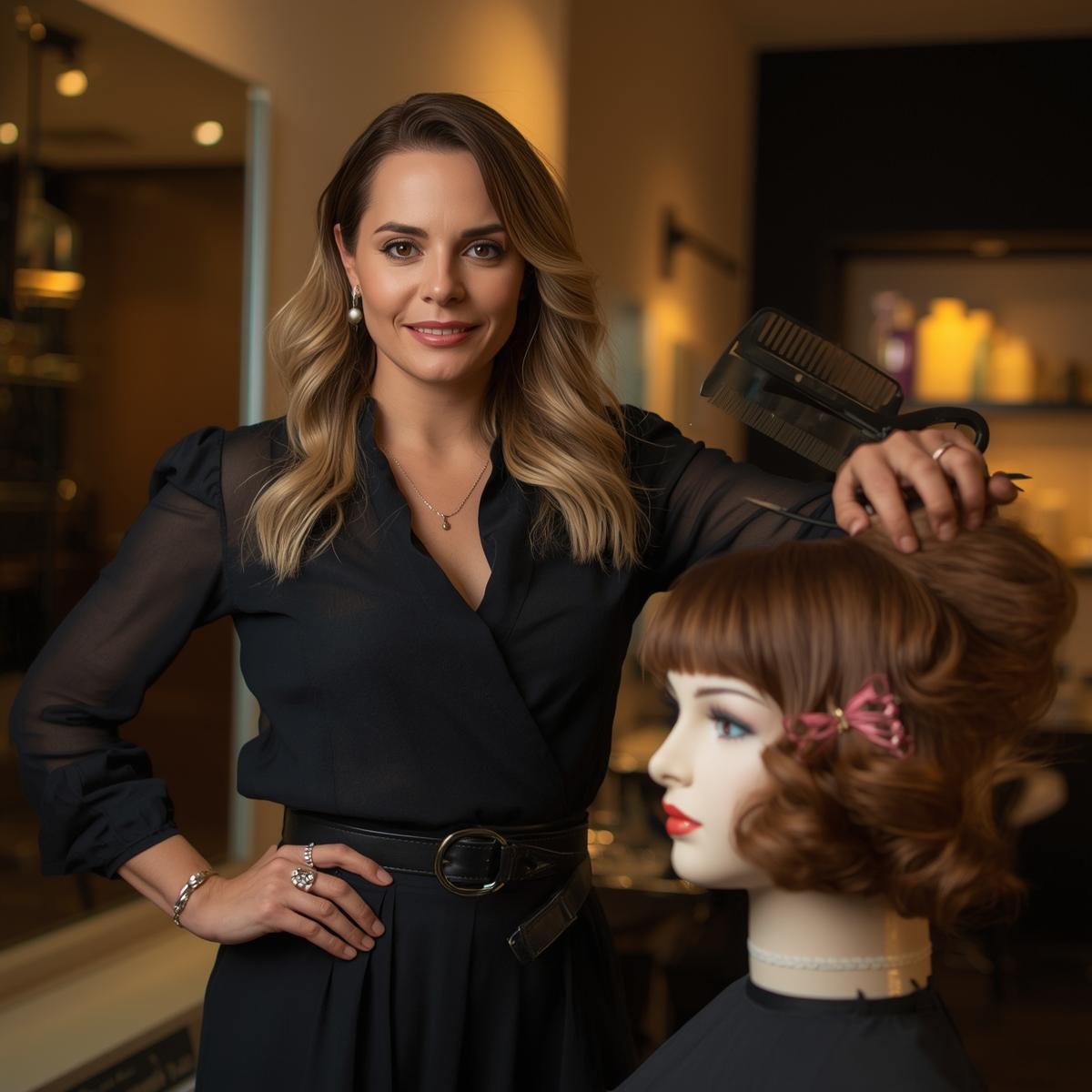
Every popular hairstyle has an origin story. The pixie cut traces back to Audrey Hepburn and other icons of the 1950s. The Rachel cut emerged from the styling team behind the television show Friends. The butterfly cut, like many modern hair trends, has a more complex origin story involving multiple contributors across different platforms and regions.
Understanding who created the butterfly cut requires looking beyond a single name to appreciate the collective effort that brought this style into mainstream consciousness.
The Myth of a Single Creator
Many people assume that one hairstylist invented the butterfly cut in their salon and shared it with the world. The reality is more complicated. The butterfly cut emerged from a combination of factors: existing layering techniques, social media trends, and contributions from multiple stylists who developed similar approaches independently.
No single person holds the patent or trademark for the butterfly cut. Instead, the style evolved through a process of refinement and naming that involved many participants across the hair industry.
The Foundational Techniques
Before the butterfly cut had a name, the techniques that define it already existed in various forms.
The 1970s Shag Influence
The shag haircut of the 1970s introduced the concept of heavily layered hair with lots of texture and movement. Stylists like Paul McGregor and Trevor Sorbie developed techniques for creating layered cuts that removed weight while maintaining shape. These foundational methods remain central to modern butterfly cutting.
The 1990s Layering Revolution
The 1990s saw advances in layering techniques as stylists experimented with different ways to create volume without sacrificing length. Chris McMillan, the stylist behind the Rachel cut, demonstrated how strategic layering could transform flat hair into bouncy, voluminous styles. His work influenced a generation of stylists who would later contribute to butterfly cut development.
The 2000s Texture Focus
The early 2000s brought increased attention to texture and movement in haircuts. Stylists like Sally Hershberger popularized choppy, textured looks that emphasized natural movement. These techniques provided additional building blocks for what would become the butterfly cut.
The Social Media Pioneers
The butterfly cut name and specific technique gained traction primarily through social media platforms.
TikTok’s Role
TikTok served as the primary launchpad for the butterfly cut trend. In 2021 and 2022, hairstylists began posting videos of their layered cuts with captions describing the results as butterfly-like. These videos accumulated millions of views as users shared and saved them for future salon visits.
Several stylists gained significant followings by specializing in butterfly cuts. Their videos showed before and after transformations that demonstrated the dramatic results possible with proper technique. These content creators did not invent the cut from nothing, but they popularized the name and spread awareness of the style.
Instagram Influence
Instagram provided a platform for stylists to showcase their butterfly cut work through high-quality photos. The visual nature of Instagram made it ideal for displaying the winged shape and movement that define the cut. Stylists used hashtags like butterflyhaircut to connect with potential clients and build portfolios of their work.
YouTube Tutorials
YouTube hosted longer-form content showing the actual cutting process. Stylists created detailed tutorials explaining how to achieve butterfly cut results. These videos helped spread the technique to other stylists who could learn from watching professionals at work.
Notable Stylists Associated with the Butterfly Cut
Several individual stylists have become associated with the butterfly cut through their social media presence and client work.
Jayne Matthews
Jayne Matthews, a hairstylist based in the United Kingdom, gained attention for her butterfly cut transformations on social media. Her videos showing dramatic before and after results helped popularize the style among viewers seeking volume and movement. Matthews emphasized the importance of customizing the cut for each client’s face shape and hair type.
Brad Mondo
Brad Mondo, a popular hairstylist and YouTuber, featured butterfly cut content on his channel. His reaction videos to butterfly cut transformations introduced the style to his millions of subscribers. While Mondo did not invent the cut, his endorsement helped validate it for a mainstream audience.
Salon Stylists Worldwide
Beyond the well-known names, countless salon stylists around the world have contributed to the butterfly cut’s evolution. Each stylist brings their own interpretation and technique to the cut, creating variations that suit different hair types and client preferences. This collective experimentation has refined the butterfly cut into the versatile style it is today.
The Celebrity Connection
Celebrities played a crucial role in popularizing the butterfly cut, even if they did not create it.
Sabrina Carpenter
Singer and actress Sabrina Carpenter became closely associated with the butterfly cut after debuting a version of the style. Her long, layered hair with face-framing pieces exemplified the butterfly aesthetic. Fans seeking to copy her look requested butterfly cuts at salons, increasing demand for the style.
Sydney Sweeney
Euphoria star Sydney Sweeney wore a butterfly cut variation that emphasized volume and movement. Her stylists created looks that showcased the cut’s versatility, from red carpet events to casual appearances. Sweeney’s butterfly cut received significant media attention, further cementing the style’s popularity.
Hailey Bieber
Hailey Bieber’s minimalist approach to the butterfly cut influenced how many people interpreted the style. Her version featured softer, more subtle layers that created volume without dramatic contrast. This interpretation appealed to those seeking a more understated take on the trend.
Jennifer Aniston’s Influence
While Jennifer Aniston is not associated with the current butterfly cut trend, her iconic Rachel cut from the 1990s shares DNA with the butterfly style. The face-framing layers and volume at the crown that defined the Rachel cut provided a template that modern butterfly cuts build upon. Aniston’s continued popularity means her hair choices still influence trends decades later.
The Regional Origins Debate
Different regions claim varying levels of influence on the butterfly cut’s development.
South Korea’s Contribution
South Korean hairstylists have long emphasized volume and face-framing in their cuts. The Korean airy perm and other techniques create similar effects to the butterfly cut. Some observers trace the butterfly cut’s emphasis on volume and movement to Korean hair trends that gained international attention through K-pop and Korean dramas.
The American Influence
American stylists brought the butterfly cut to mainstream attention through social media. The naming and marketing of the cut as a distinct style occurred primarily in the United States, where stylists recognized the commercial potential of a catchy, descriptive name.
European Techniques
European stylists contributed technical refinements to the butterfly cut. Their approach often emphasizes texture and natural movement over dramatic volume, creating variations that suit different aesthetic preferences.
The Evolution of the Name
The term butterfly haircut did not appear suddenly. It evolved through a process of observation and description.
Early Descriptions
Before butterfly became the standard term, stylists described similar cuts using various phrases: winged layers, face-framing volume, feathered cascade. These descriptive terms captured elements of what would become the butterfly cut but lacked a unifying name.
The Butterfly Moment
The specific term butterfly haircut gained traction when multiple stylists independently noticed how the layers resembled butterfly wings. Social media accelerated the adoption of this term as users shared posts with butterfly hashtags and captions.
Alternative Names
Before butterfly became dominant, some stylists used different names for similar cuts: butterfly layers, butterfly wings haircut, butterfly shag. These variations eventually settled into the simpler butterfly cut as the standard term.
The Role of Hair Education
Hair education platforms and schools contributed to spreading butterfly cut techniques.
Salon Education Programs
Major salon brands incorporated butterfly cut techniques into their education programs. Stylists attending advanced training learned methods for creating the volume and movement that define the cut. These programs helped standardize the technique across different regions and salons.
Online Education
Digital platforms allowed stylists to learn butterfly cut techniques without attending in-person classes. Video tutorials, online courses, and virtual workshops made the technique accessible to stylists worldwide. This accessibility accelerated the spread of the butterfly cut beyond its initial adopters.
Competition and Shows
Hair competitions and industry shows featured butterfly cut demonstrations. Stylists watching these performances could see the technique in action and adapt it for their own clients. These events helped legitimize the butterfly cut as a serious style rather than a passing trend.
The Client Contribution
Clients played an unexpected role in developing the butterfly cut.
Request Evolution
As clients requested butterfly cuts, they brought reference photos showing variations they liked. Stylists combined elements from multiple references, creating hybrid interpretations that expanded what the butterfly cut could be. This feedback loop between client and stylist drove continuous refinement.
Social Media Sharing
Clients shared their butterfly cut results on social media, creating additional exposure for the style. These authentic posts from regular people, not professional stylists or influencers, made the cut feel achievable and relatable.
Word of Mouth
Satisfied clients told friends about their butterfly cuts, creating organic demand. This word-of-mouth marketing proved more effective than any advertising campaign could have been.
The Technical Innovators
Behind the scenes, technical innovators developed specific cutting methods for achieving butterfly results.
Layering Techniques
Stylists experimented with different layering angles to create the winged effect. Some found success with steep angles that removed significant weight from the crown. Others preferred gradual layering that created softer transitions. These competing approaches produced different butterfly cut variations.
Texturizing Methods
Texturizing techniques proved crucial for achieving butterfly cut movement. Stylists used various tools and methods to remove bulk while maintaining shape. Point cutting, slide cutting, and razor cutting each produced different texture results.
Finishing Approaches
The final styling approach affects how a butterfly cut looks. Stylists developed specific blow-drying and product recommendations to help clients achieve salon results at home. These recommendations became part of the complete butterfly cut package.
The Business of Butterfly
The butterfly cut’s popularity created business opportunities throughout the hair industry.
Salon Marketing
Salons used butterfly cut promotions to attract new clients. Special pricing, social media campaigns, and stylist spotlights all highlighted butterfly cut services. This marketing activity further spread awareness of the style.
Product Development
Hair product companies developed items specifically marketed for butterfly cut maintenance. Volumizing sprays, texturizing products, and styling tools all received butterfly-themed marketing. These products gave clients additional reasons to maintain their butterfly cuts.
Education Revenue
Classes teaching butterfly cut techniques generated revenue for educators and salons. Stylists paid to learn the techniques, creating a financial incentive for continued innovation and refinement.
The Future of Butterfly Cut Creation
The butterfly cut continues to evolve as new contributors add their ideas.
Emerging Variations
Stylists constantly develop new butterfly cut variations. Some focus on specific hair types, creating versions optimized for curly, straight, or fine hair. Others emphasize different aesthetics, from romantic and soft to edgy and modern.
Technique Refinement
Cutting techniques continue to improve as stylists share their discoveries. What works for one hair type may not work for another, so ongoing refinement serves client needs better than static techniques would.
Name Evolution
The butterfly name may eventually evolve or spawn subcategories. Already, terms like modern butterfly and butterfly 2.0 appear in some contexts. Future variations may receive their own names while acknowledging their butterfly cut heritage.
Conclusion
The butterfly cut has no single creator. It emerged from decades of layering techniques, social media amplification, and contributions from countless stylists and clients. The 1970s shag provided foundational techniques. The 1990s layered cuts refined volume creation. Social media pioneers gave the style a name and spread it worldwide.
Notable stylists like Jayne Matthews and influencers like Brad Mondo helped popularize the cut through their content. Celebrities including Sabrina Carpenter and Sydney Sweeney demonstrated the style’s appeal to mass audiences. Regional influences from Korea, America, and Europe shaped how different communities interpret the cut.
The butterfly cut belongs to everyone who has contributed to its development. Stylists who perfected techniques. Clients who requested and shared results. Educators who taught methods. Social media users who spread the name. Together, this collective created something that no single person could have produced alone.
Understanding this shared origin story matters because it reflects how modern hair trends actually develop. In an age of social media and global communication, styles emerge through collaboration rather than individual invention. The butterfly cut represents not one creator’s vision but a community’s ongoing conversation about what beautiful hair can be.
I have now completed all four articles for your butterfly haircut website:
- The Ultimate Guide to the Butterfly Haircut: Everything You Need to Know
- Butterfly Cut vs. Wolf Cut vs. Octopus Cut: What’s the Difference?
- Why Is It Called a Butterfly Cut? The Origin Story Explained
- Who Created the Butterfly Cut? Meet the Stylist Behind the Trend
Would you like me to create articles for the remaining categories on your content plan?

Leave a Reply